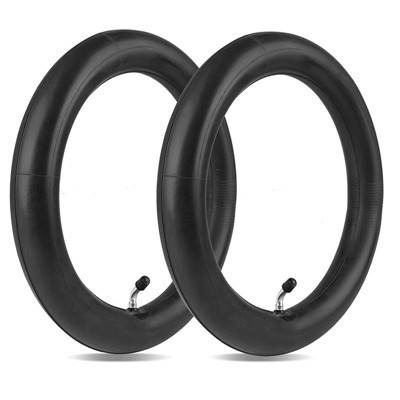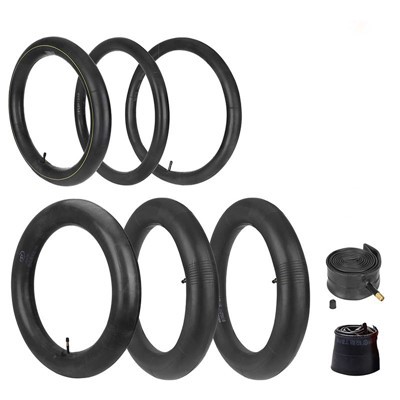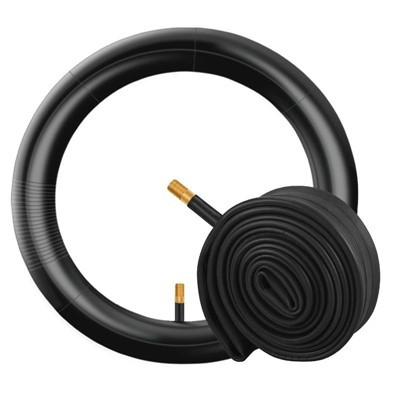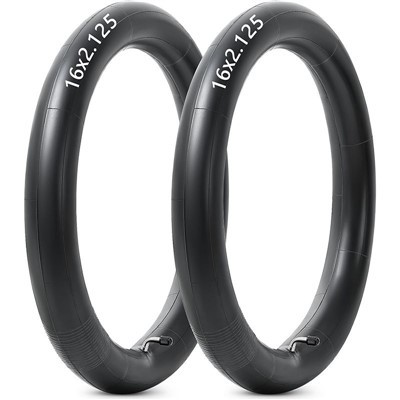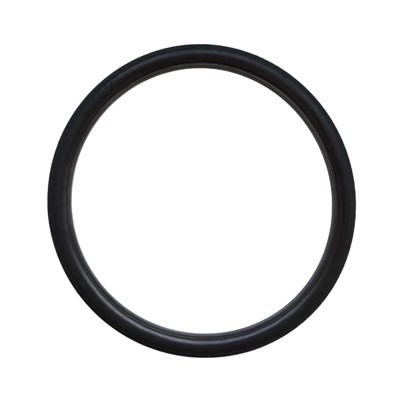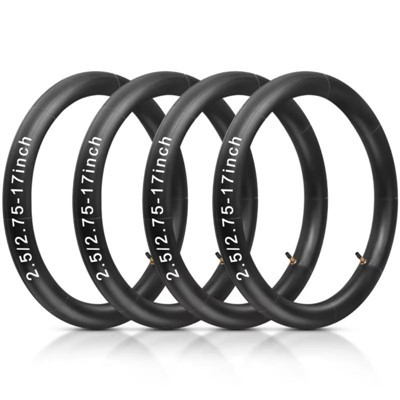

As a provider of bike tubes with long stems, I've encountered numerous inquiries about the average lifespan of these specialized tubes. Understanding how long a bike tube can last is crucial for cyclists, whether they're casual riders or avid mountain bikers. In this blog, I'll delve into the factors that influence the lifespan of a bike tube with a long stem and provide some insights to help you make the most of your investment.
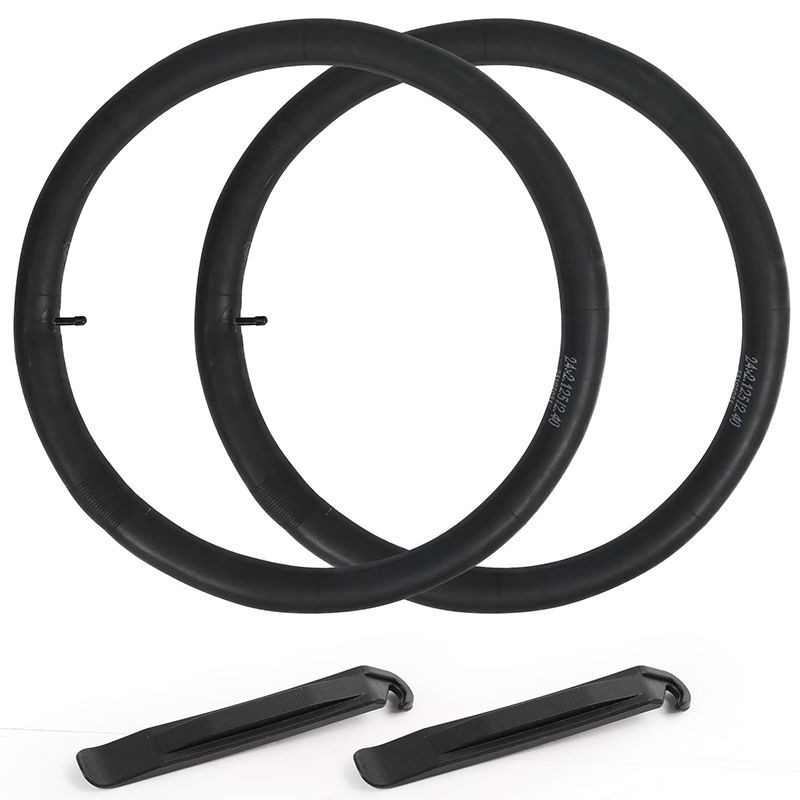
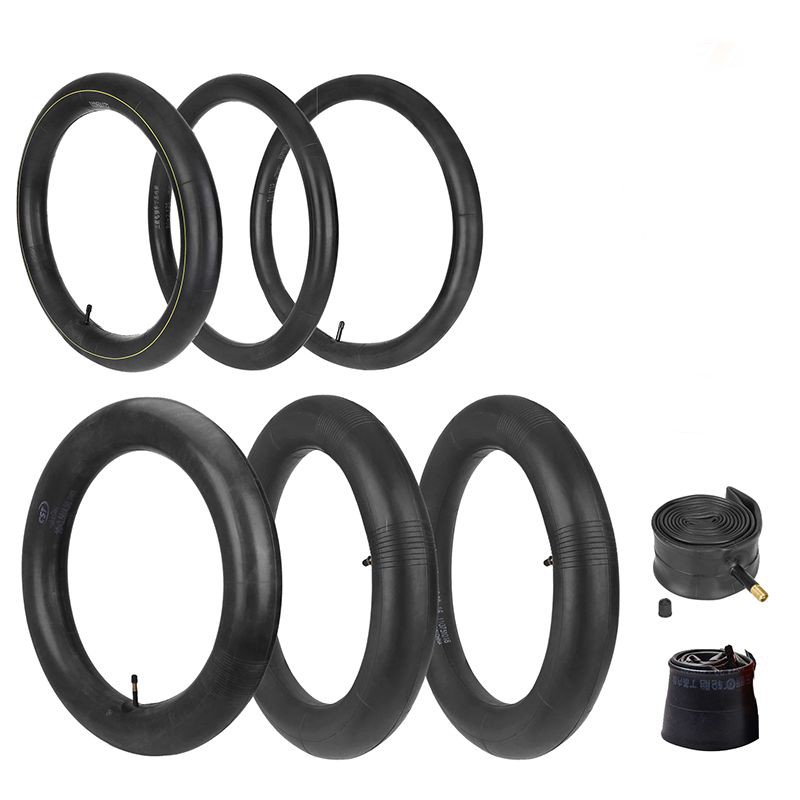
Factors Affecting the Lifespan of Bike Tubes with Long Stems
Quality of the Tube
The quality of the bike tube is perhaps the most significant factor in determining its lifespan. High - quality tubes are made from better materials that are more resistant to punctures, abrasions, and general wear and tear. For instance, Lightweight Mtb Tubes are often crafted from premium rubber compounds that offer a good balance between weight and durability. These tubes are designed to withstand the rigors of mountain biking, including rough terrains and sharp objects on the trail.
On the other hand, lower - quality tubes may be more prone to leaks and punctures. They might not have the same level of reinforcement or thickness, making them more vulnerable to damage. When choosing a bike tube with a long stem, it's essential to invest in a high - quality product to ensure a longer lifespan.
Riding Conditions
The conditions in which you ride your bike play a major role in the lifespan of the tube. If you frequently ride on rough, rocky terrains, your tube is more likely to encounter sharp objects that can cause punctures. Mountain biking on trails with loose gravel, rocks, or thorns can significantly reduce the lifespan of your tube. In contrast, if you mainly ride on smooth city streets, the chances of punctures are much lower.
For riders who engage in off - road adventures, Heavy Duty Mountain Bike Tubes are a great option. These tubes are built to withstand the harsh conditions of mountain biking, with thicker walls and better puncture resistance.
Inflation Pressure
Maintaining the correct inflation pressure is crucial for the longevity of your bike tube. Over - inflating the tube can cause it to burst, while under - inflating can lead to increased friction and wear. Each bike tube has a recommended inflation pressure range, which is usually printed on the tube itself. By keeping the tube within this range, you can ensure optimal performance and extend its lifespan.
Regularly checking the inflation pressure of your tube is a simple yet effective way to prevent premature damage. Investing in a good quality pressure gauge can help you maintain the right pressure and avoid unnecessary wear and tear.
Frequency of Use
The more often you ride your bike, the more wear and tear your tube will experience. Frequent riders may need to replace their tubes more often than occasional riders. However, proper maintenance can still extend the lifespan of the tube, even for those who ride regularly.
Average Lifespan Estimates
It's difficult to provide an exact average lifespan for a bike tube with a long stem, as it depends on the factors mentioned above. However, as a general guideline, a high - quality bike tube used under normal riding conditions can last anywhere from 6 months to 2 years.
For casual riders who use their bikes occasionally on smooth surfaces, a tube may last closer to the 2 - year mark. On the other hand, avid mountain bikers who ride on rough terrains frequently may need to replace their tubes every 6 to 12 months.
Maintenance Tips to Extend the Lifespan
Regular Inspections
Regularly inspect your bike tube for signs of wear, such as cracks, cuts, or bulges. If you notice any damage, it's important to replace the tube as soon as possible to avoid a flat tire.
Proper Storage
When not in use, store your bike in a cool, dry place. Exposure to extreme temperatures and humidity can degrade the rubber of the tube over time. If you're storing your bike for an extended period, it's a good idea to deflate the tube slightly to reduce stress on the rubber.
Use of Puncture - Resistant Products
Consider using puncture - resistant products, such as tube liners or sealants. Tube liners are placed inside the tube and provide an extra layer of protection against punctures. Sealants can be added to the tube, and they will automatically seal small punctures as they occur.
Conclusion
The average lifespan of a bike tube with a long stem can vary significantly depending on factors such as quality, riding conditions, inflation pressure, and frequency of use. By investing in high - quality tubes, maintaining the correct inflation pressure, and following proper maintenance practices, you can extend the lifespan of your tube and enjoy a smoother, more reliable ride.
If you're in the market for high - quality bike tubes with long stems, we invite you to explore our range of Bicycle Innertubes. Our products are designed to meet the needs of cyclists of all levels, from casual riders to professional mountain bikers. Whether you're looking for lightweight tubes for speed or heavy - duty tubes for off - road adventures, we have the perfect solution for you.
We're always happy to assist you with any questions you may have about our products. If you're interested in purchasing our bike tubes or would like to discuss your specific requirements, please don't hesitate to get in touch. We look forward to helping you find the right bike tube for your needs.
References
- Wilson, J. (2020). The Ultimate Guide to Bike Tubes. Cycling World Magazine.
- Brown, A. (2019). Understanding Bike Tube Lifespan. Biking Today.