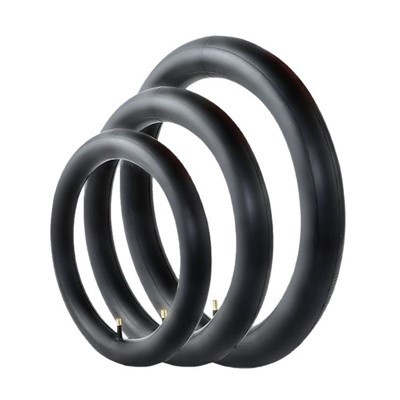

Can airless bicycle inner tubes be used with rim brakes? This is a question that many cyclists and bike enthusiasts often ask. As a supplier of Airless Bicycle Inner Tubes, I've had my fair share of discussions on this topic. So, let's dive right in and explore this issue in detail.
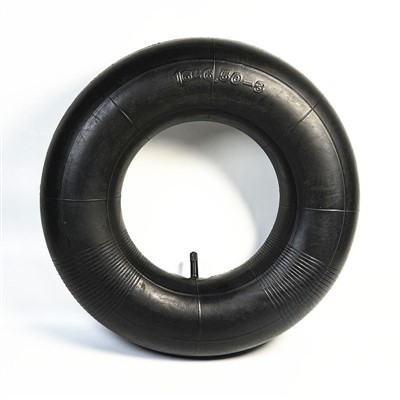
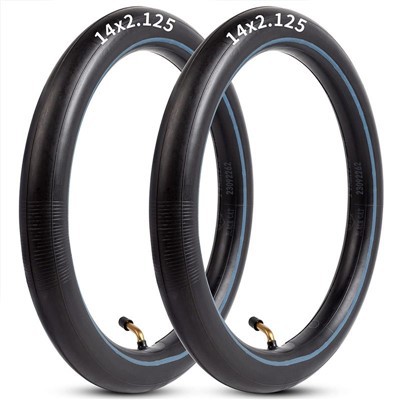
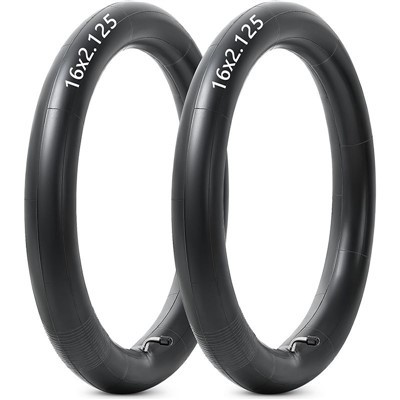
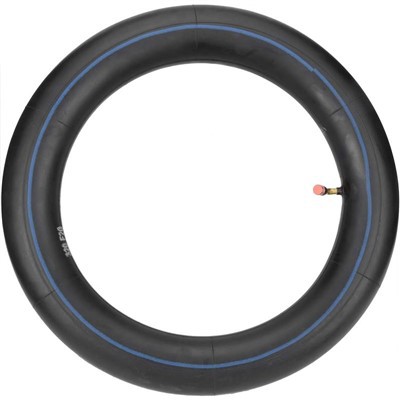
First off, let's understand what airless bicycle inner tubes are. These tubes are designed to eliminate the hassle of flat tires. Unlike traditional inner tubes that rely on air pressure to maintain their shape and provide a smooth ride, airless tubes are made from solid materials or a special foam-like substance. They offer a lot of benefits, such as no more punctures from thorns or sharp objects. You can check out our Airless Bicycle Inner Tubes for more details on the products we offer.
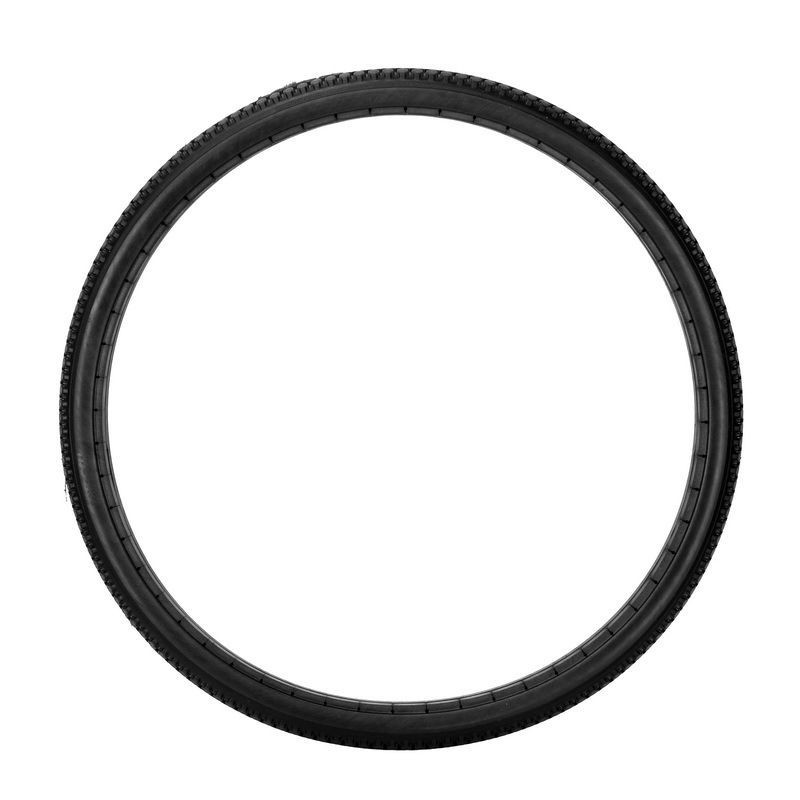
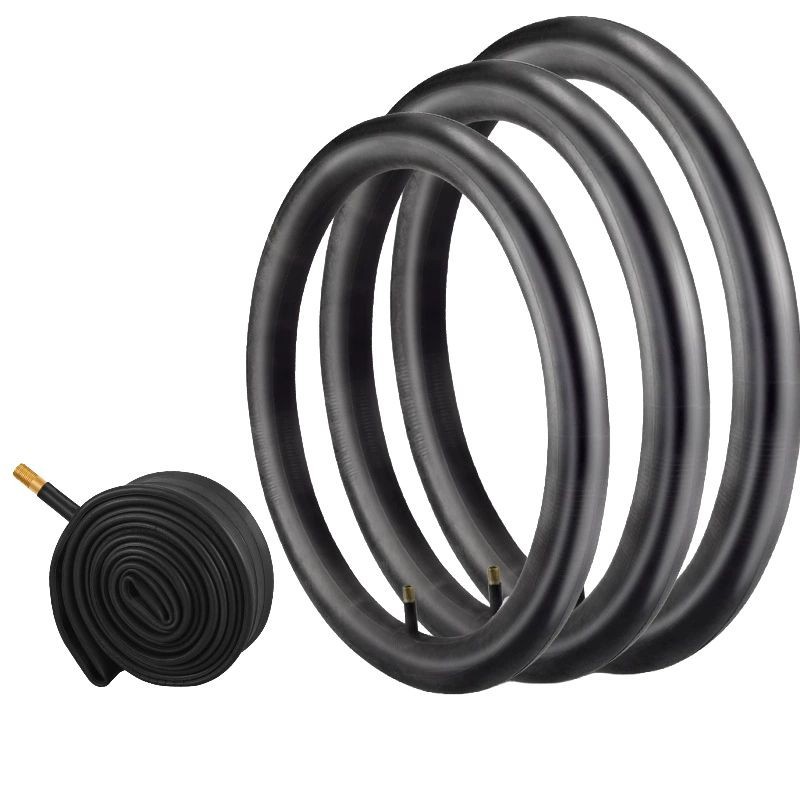
Now, onto the main question: Can they be used with rim brakes? The short answer is yes, in most cases. But there are a few things to consider.
Compatibility
Rim brakes work by applying pressure to the sides of the wheel rim to slow down or stop the bike. When using airless inner tubes, the key factor is whether the tube and the rim work well together. Most airless inner tubes are designed to fit standard bike rims, which are also compatible with rim brakes. However, it's important to make sure that the tube doesn't cause any bulging or irregularities in the rim. If the tube is too thick or not properly installed, it could affect the way the rim brakes function.
Heat Dissipation
One of the concerns when using airless inner tubes with rim brakes is heat dissipation. When you use rim brakes, a significant amount of heat is generated as the brake pads rub against the rim. Traditional air-filled inner tubes can help dissipate some of this heat because the air inside acts as a buffer. Airless tubes, on the other hand, are made of solid materials that may not conduct heat as well. This means that the heat can build up in the rim, potentially causing damage to the brake pads, the rim, or even the airless tube itself.
To mitigate this issue, some airless inner tube manufacturers design their products with heat-resistant materials. Additionally, cyclists can take precautions such as avoiding continuous hard braking on long descents. If you're concerned about heat, you might also want to consider upgrading to high-quality brake pads that are better at handling heat.
Braking Performance
Another aspect to consider is the braking performance. Airless inner tubes can affect the way the bike feels when braking. Since they don't have the same give as air-filled tubes, the bike might feel a bit stiffer during braking. This can be a good thing in some cases, as it can provide more direct and responsive braking. However, it might take some getting used to, especially if you're used to the more forgiving feel of air-filled tubes.
It's also important to note that the braking performance can vary depending on the type of airless tube you use. Some airless tubes are designed to mimic the feel of air-filled tubes as closely as possible, while others have a more rigid construction. You can experiment with different types of airless tubes to find the one that suits your riding style and braking preferences.
Installation
Proper installation is crucial when using airless inner tubes with rim brakes. If the tube is not installed correctly, it can cause uneven pressure on the rim, which can affect the braking performance. Make sure to follow the manufacturer's instructions carefully when installing the airless tube. If you're not confident in your ability to install the tube yourself, it's a good idea to take your bike to a professional bike mechanic.
Other Considerations
Apart from the technical aspects, there are also some practical considerations. For example, airless inner tubes are generally heavier than traditional air-filled tubes. This can affect the overall weight of the bike, which in turn can impact your riding performance, especially when climbing hills. However, the benefits of not having to deal with flat tires might outweigh the extra weight for many cyclists.
If you're still using traditional inner tubes and are worried about punctures, we also offer Bike Tube Thorn Resistant options. These tubes are designed to be more resistant to thorns and other sharp objects, providing an extra layer of protection. And for those who prefer a more lightweight option, our Latex Road Bike Tubes are a great choice.
In conclusion, airless bicycle inner tubes can be used with rim brakes, but there are some factors to keep in mind. Compatibility, heat dissipation, braking performance, and proper installation are all important considerations. If you're willing to take the time to understand these factors and make the necessary adjustments, airless inner tubes can be a great option for your bike.
If you're interested in purchasing airless bicycle inner tubes or have any questions about our products, feel free to reach out. We're here to help you find the best solution for your cycling needs. Whether you're a casual rider or a professional cyclist, we have the right products for you. Let's start a conversation and see how we can enhance your cycling experience.
References
- Cycling industry reports on brake technology and inner tube design
- Manufacturer specifications for airless bicycle inner tubes and rim brakes
- User reviews and feedback on using airless inner tubes with rim brakes