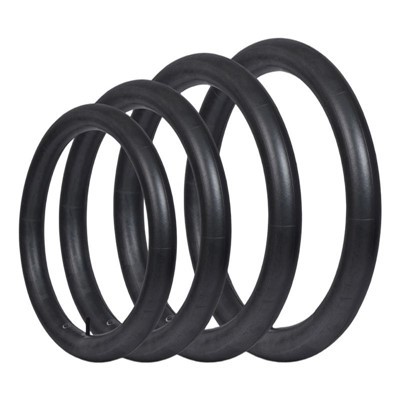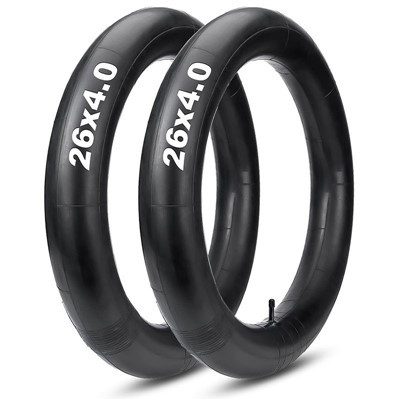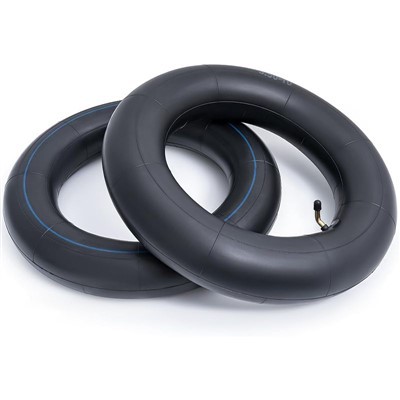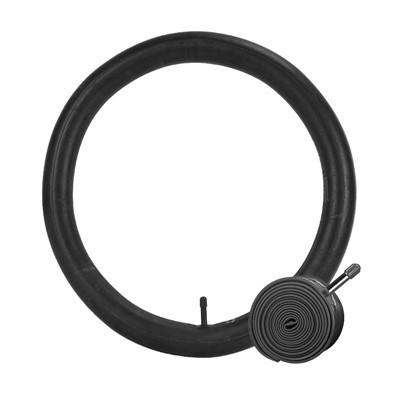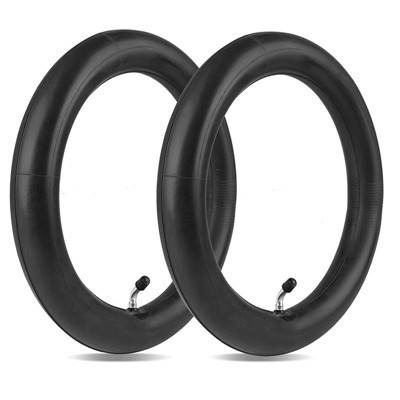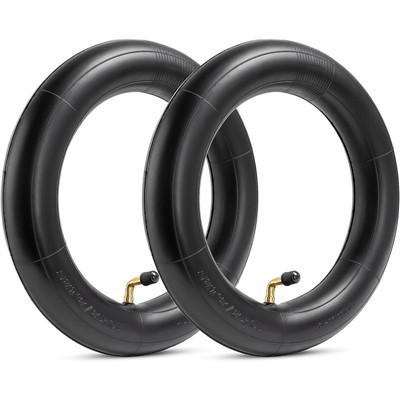

Proper storage of heavy-duty motorcycle tubes is crucial to maintain their quality and performance over time. As a supplier of Heavy Duty Motorcycle Tubes, I understand the importance of ensuring that these essential components are stored correctly. In this blog, I'll share some valuable insights on how to store heavy-duty motorcycle tubes properly.
Understanding the Basics of Heavy-Duty Motorcycle Tubes
Before delving into storage methods, it's essential to understand the types of heavy-duty motorcycle tubes available. We offer a wide range of products, including Ultra Heavy Duty Dirt Bike Tubes, Butyl Motorcycle Inner Tube, and Dirt Bike Front Tire Tube. Each type has its unique characteristics and requirements for storage.
Factors Affecting Tube Storage
Several factors can impact the storage of heavy-duty motorcycle tubes. Temperature, humidity, exposure to sunlight, and contact with chemicals are some of the key elements to consider.
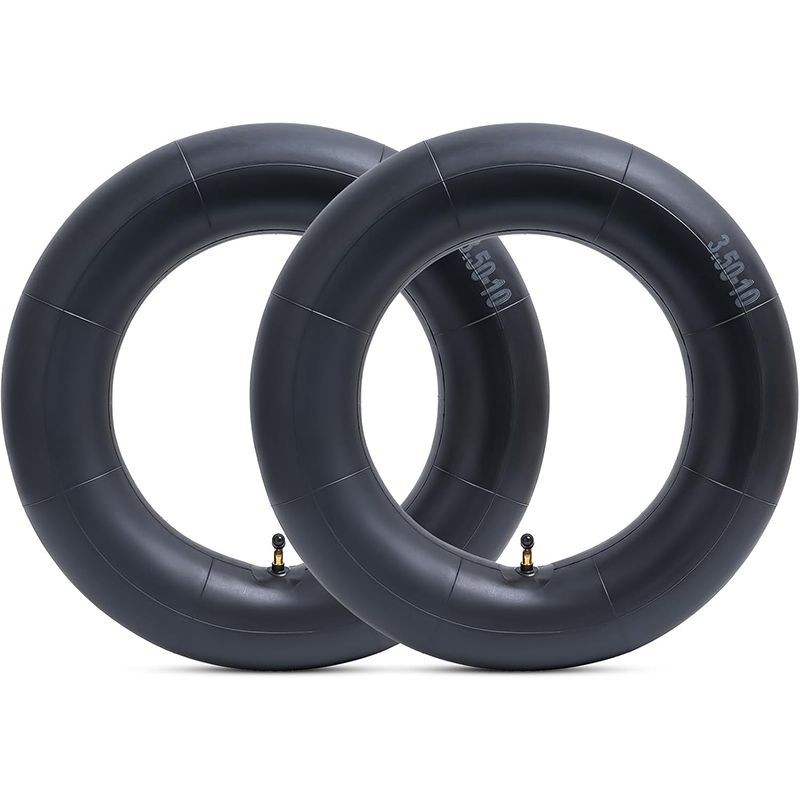
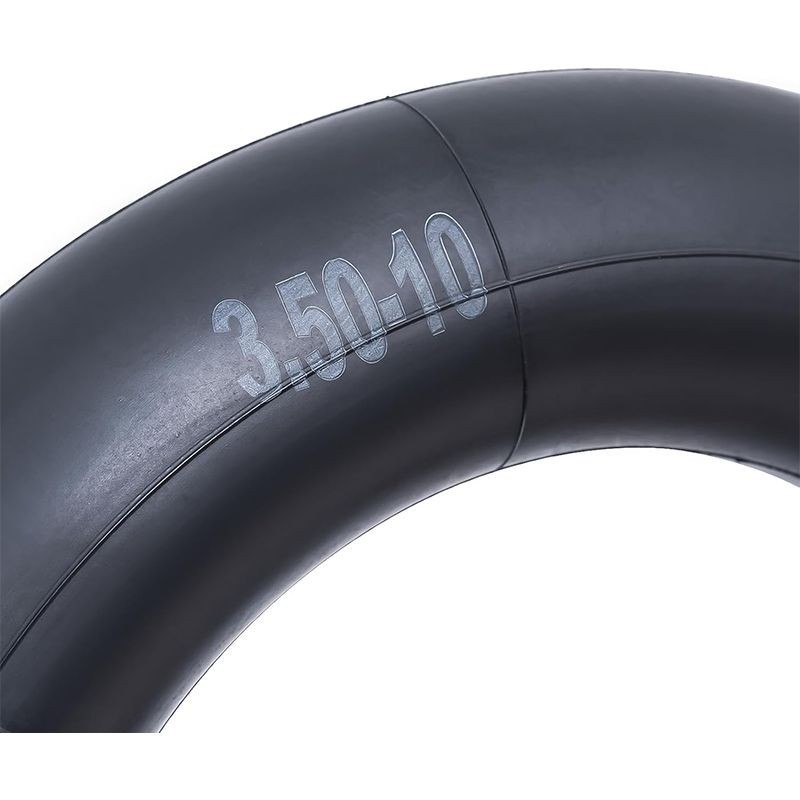
- Temperature: Extreme temperatures can cause the rubber in the tubes to expand or contract, leading to cracks or leaks. It's best to store tubes in a temperature-controlled environment, ideally between 50°F and 70°F (10°C and 21°C).
- Humidity: High humidity can promote the growth of mold and mildew on the tubes, which can damage the rubber. Aim to keep the storage area dry, with a relative humidity of around 40% to 50%.
- Sunlight: Ultraviolet (UV) rays from the sun can degrade the rubber in the tubes, making them more prone to cracking. Store tubes in a dark place or use opaque storage containers to protect them from sunlight.
- Chemicals: Exposure to chemicals such as gasoline, oil, and solvents can damage the rubber in the tubes. Keep tubes away from areas where these chemicals are present.
Proper Storage Methods
Now that we understand the factors that can affect tube storage, let's explore some proper storage methods.
1. Clean and Dry the Tubes
Before storing the tubes, it's important to clean them thoroughly to remove any dirt, debris, or moisture. Use a mild soap and water solution to clean the tubes, and then dry them completely with a clean cloth. Make sure there is no water left on the tubes, as this can lead to corrosion and damage.
2. Inflate the Tubes Slightly
Inflating the tubes slightly can help maintain their shape and prevent them from developing flat spots during storage. However, be careful not to overinflate the tubes, as this can cause them to burst. Aim to inflate the tubes to about 10% of their recommended pressure.
3. Store the Tubes in a Cool, Dry Place
As mentioned earlier, it's best to store tubes in a temperature-controlled environment. A cool, dry place such as a basement, garage, or storage shed is ideal. Avoid storing tubes in areas that are prone to extreme temperatures or high humidity, such as attics or near heating vents.
4. Use Proper Storage Containers
Using proper storage containers can help protect the tubes from damage and keep them organized. You can use plastic bins, cardboard boxes, or specialized tube storage racks. Make sure the containers are clean and dry before storing the tubes.
5. Label the Tubes
Labeling the tubes can help you easily identify them and keep track of their size, type, and date of purchase. You can use a permanent marker or label maker to label the tubes.
6. Check the Tubes Regularly
It's important to check the tubes regularly to ensure they are in good condition. Look for signs of damage, such as cracks, leaks, or flat spots. If you notice any issues, replace the tubes immediately.
Additional Tips for Tube Storage
- Avoid stacking the tubes: Stacking the tubes can cause them to deform and damage each other. Instead, store the tubes side by side or in a single layer.
- Keep the tubes away from sharp objects: Sharp objects can puncture the tubes and cause them to leak. Make sure the storage area is free of sharp objects.
- Use tube protectors: Tube protectors can help prevent the tubes from rubbing against each other or other objects, reducing the risk of damage.
- Rotate the tubes periodically: Rotating the tubes periodically can help prevent them from developing flat spots. You can rotate the tubes every few months or as needed.
Conclusion
Proper storage of heavy-duty motorcycle tubes is essential to ensure their longevity and performance. By following the tips and guidelines outlined in this blog, you can keep your tubes in good condition and avoid costly repairs or replacements. If you have any questions or need further assistance with tube storage, please don't hesitate to contact us. We're here to help you make the most of your heavy-duty motorcycle tubes.
References
- Motorcycle Tube Manufacturer's Guidelines
- Rubber Industry Standards for Tube Storage