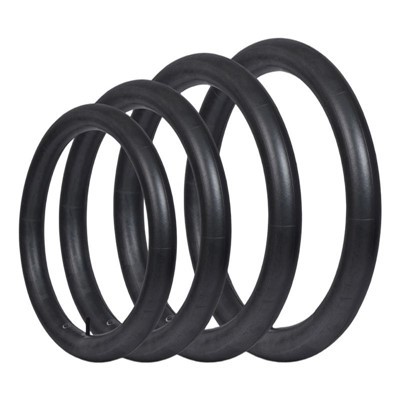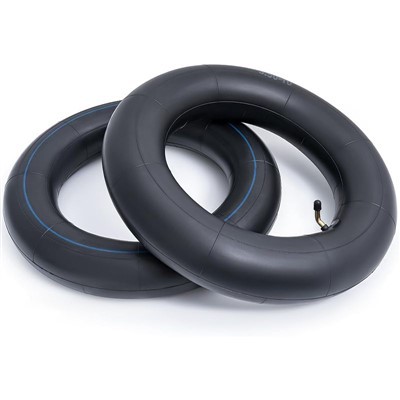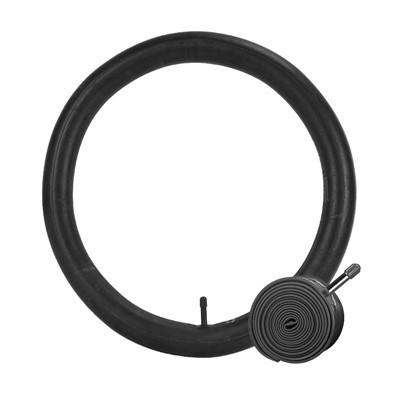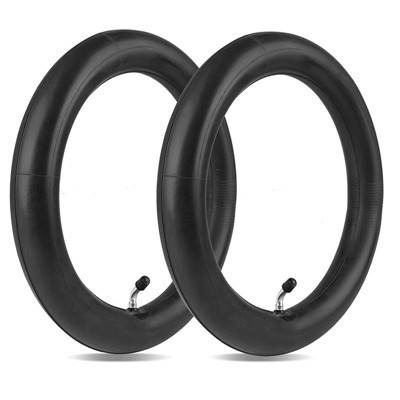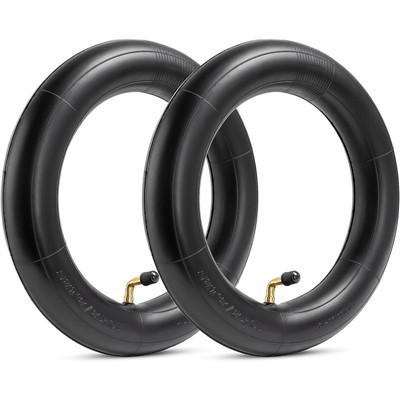

As a supplier of bicycle butyl inner tubes, I often get asked about the flexibility of these essential components. Flexibility in a bicycle butyl inner tube is a multi - faceted characteristic that significantly impacts the overall performance and riding experience.
Understanding the Basics of Bicycle Butyl Inner Tubes
Before delving into the flexibility, it's important to understand what butyl inner tubes are. Butyl rubber is a synthetic rubber known for its low gas permeability, which means it can hold air for longer periods compared to other types of rubber. This makes it an ideal material for bicycle inner tubes.
The flexibility of a butyl inner tube refers to its ability to bend, stretch, and adapt to various conditions without losing its structural integrity. When a bicycle is in motion, the inner tube is constantly subjected to forces such as compression, expansion, and lateral movement. A flexible inner tube can better withstand these forces, ensuring a smooth and safe ride.
Factors Affecting the Flexibility of Butyl Inner Tubes
1. Thickness of the Inner Tube
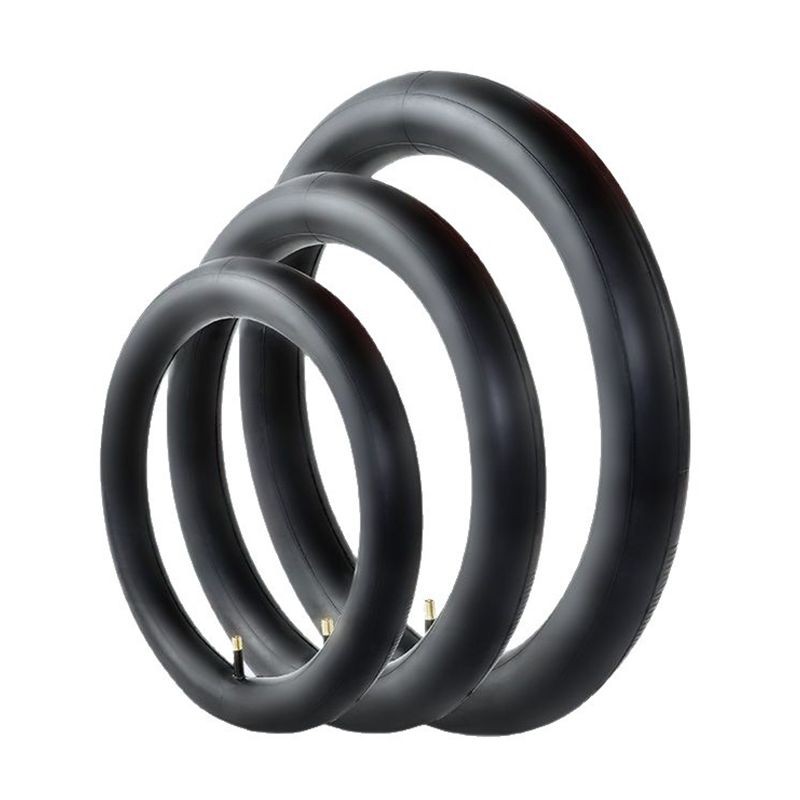
The thickness of a butyl inner tube plays a crucial role in its flexibility. Thinner inner tubes are generally more flexible as they can bend and stretch more easily. However, they may also be more prone to punctures. On the other hand, Extra Thick Bicycle Inner Tubes offer greater puncture resistance but are less flexible. The choice between a thick and thin inner tube depends on the type of riding and the rider's preferences. For example, riders who frequently ride on rough terrains may opt for thicker inner tubes, while those who prioritize speed and a more responsive ride may choose thinner ones.
2. Temperature
Temperature has a significant impact on the flexibility of butyl inner tubes. In cold temperatures, butyl rubber becomes stiffer, reducing its flexibility. This can make the ride feel less smooth and increase the risk of the inner tube cracking or splitting. In contrast, in warmer temperatures, the rubber becomes more pliable, enhancing its flexibility. Riders should be aware of these temperature - related changes and adjust their inner tube selection accordingly. For instance, if you live in a cold climate, you might want to choose an inner tube that is designed to maintain its flexibility in low temperatures.
3. Design and Construction
The design and construction of the inner tube also affect its flexibility. Inner tubes with a well - engineered design, such as those with a uniform thickness and proper reinforcement, tend to be more flexible. Some manufacturers use advanced manufacturing techniques to improve the flexibility of their butyl inner tubes. For example, they may incorporate special additives or use a unique rubber compound that enhances the tube's ability to stretch and bend.
Benefits of a Flexible Bicycle Butyl Inner Tube
1. Improved Ride Comfort
A flexible inner tube can absorb shocks and vibrations more effectively, providing a smoother ride. When the tube can bend and stretch with the movement of the bicycle, it reduces the impact on the rider, especially on rough roads. This is particularly important for long - distance riders who need to minimize fatigue and discomfort.
2. Better Handling
Flexible inner tubes allow for better handling of the bicycle. They can adapt to the shape of the tire and the road surface, providing more precise control. This is especially beneficial in situations where quick maneuvers are required, such as during a race or when navigating through traffic.
3. Longer Lifespan
A flexible inner tube is less likely to develop cracks or splits due to the stresses of riding. This means it can last longer, reducing the need for frequent replacements. By choosing a high - quality, flexible butyl inner tube, riders can save money in the long run.
Different Types of Bicycle Inner Tubes and Their Flexibility
1. Latex Road Bike Tubes
Latex road bike tubes are known for their high flexibility. They are made from natural latex rubber, which is extremely elastic. This allows the tube to stretch and contract easily, providing a very smooth and responsive ride. However, latex tubes are more expensive and have a shorter lifespan compared to butyl tubes. They also require more frequent inflation due to their higher gas permeability.
2. Fat Tire Bike Inner Tube
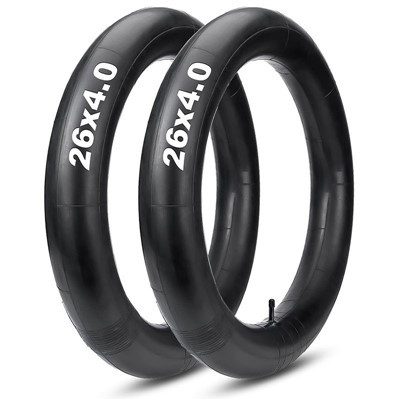
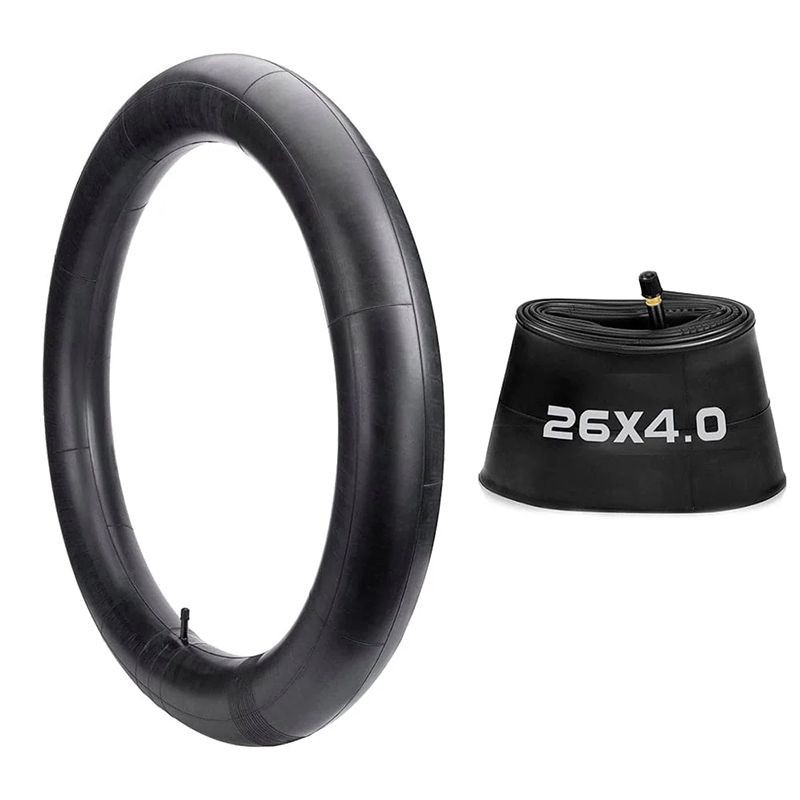
Fat tire bike inner tubes are designed for bicycles with wide tires. These tubes need to be flexible enough to accommodate the large volume of air and the unique shape of the fat tires. They are often thicker and more durable to withstand the increased pressure and stress associated with fat tire riding. The flexibility of fat tire inner tubes is crucial for maintaining proper tire shape and performance on various terrains, such as snow, sand, and mud.
How to Maintain the Flexibility of Bicycle Butyl Inner Tubes
1. Proper Inflation
Maintaining the correct inflation pressure is essential for preserving the flexibility of butyl inner tubes. Under - inflated tubes can cause excessive flexing, which may lead to damage over time. Over - inflated tubes, on the other hand, can make the tube too rigid and reduce its ability to absorb shocks. Riders should refer to the manufacturer's recommended inflation pressure for their specific inner tube and tire combination.
2. Storage
Proper storage of butyl inner tubes can also help maintain their flexibility. Tubes should be stored in a cool, dry place away from direct sunlight and heat sources. Exposure to extreme temperatures and sunlight can cause the rubber to degrade and lose its flexibility.
3. Regular Inspection
Regularly inspecting the inner tube for signs of wear and tear is important. Any cuts, punctures, or signs of cracking should be addressed immediately. Minor damage can often be repaired using a patch kit, but if the damage is severe, the tube may need to be replaced.
Conclusion
Flexibility is a vital characteristic of bicycle butyl inner tubes. It affects the ride comfort, handling, and lifespan of the tube. As a supplier, we understand the importance of providing high - quality, flexible inner tubes to meet the diverse needs of cyclists. Whether you are a casual rider or a professional cyclist, choosing the right inner tube with the appropriate flexibility is crucial for an enjoyable and safe riding experience.
If you are interested in purchasing our bicycle butyl inner tubes or have any questions about their flexibility and other features, please feel free to contact us for a procurement discussion. We are committed to providing the best products and services to our customers.
References
- "Bicycle Technology and Maintenance" by David Gordon Wilson
- "The Bicycle Wheel" by Jobst Brandt
- Industry research reports on bicycle inner tube materials and performance.