
Do scooter tyre tubes have a recommended inflation range?
As a supplier of Scooter Tyre Tubes, I often get asked by customers about the recommended inflation range for these tubes. It's a crucial question because proper inflation not only affects the performance of the scooter but also its safety and the lifespan of the tyre tube.
First, let's understand why a recommended inflation range exists. The inflation pressure of a scooter tyre tube plays a vital role in several aspects. When the tyre is under - inflated, it has a larger contact area with the road surface. This increased contact can lead to higher rolling resistance. As a result, the scooter will require more energy to move forward, which means the battery (in the case of an electric scooter) will drain faster, and the rider will have to exert more effort if it's a non - electric scooter. Moreover, under - inflated tyres are more prone to damage, such as cuts and punctures, because the sidewalls are more likely to flex excessively.
On the other hand, over - inflating the tyre tube can also cause problems. An over - inflated tyre has a smaller contact area with the road. This reduces traction, making it more difficult to control the scooter, especially when cornering or braking. Additionally, the excessive pressure can put stress on the tyre tube and the wheel rim, increasing the risk of a blowout.
Now, let's talk about how to determine the recommended inflation range for scooter tyre tubes. Usually, the recommended inflation range is specified by the tyre manufacturer. You can find this information on the sidewall of the tyre. It is typically given in pounds per square inch (PSI) or kilopascals (kPa). For example, a common recommended inflation range for a small - sized scooter tyre tube might be between 20 - 30 PSI.
However, the actual recommended range can vary depending on several factors. The type of scooter is an important consideration. Electric scooters, which often carry more weight due to the battery and motor, may require a higher inflation pressure compared to non - electric scooters. The load that the scooter is expected to carry also matters. If you frequently carry heavy items or a passenger, you may need to inflate the tyres to the higher end of the recommended range.
The riding conditions also play a role. If you mainly ride on smooth, flat surfaces, you can stick to the middle of the recommended inflation range. But if you ride on rough or uneven terrain, slightly higher inflation can help prevent the tyre from getting damaged by absorbing the shocks better.
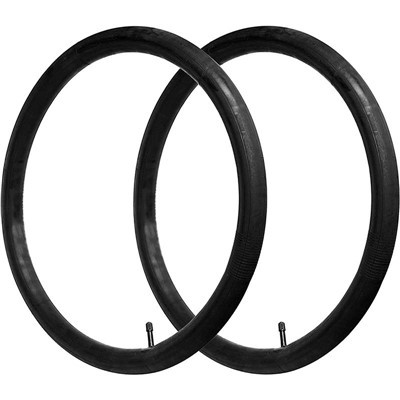
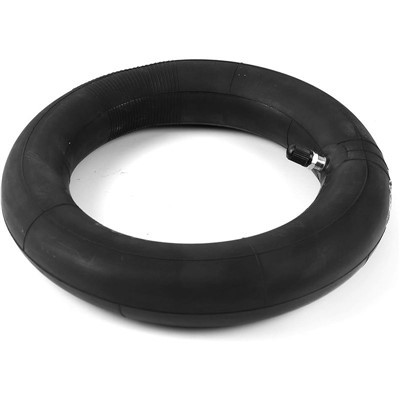
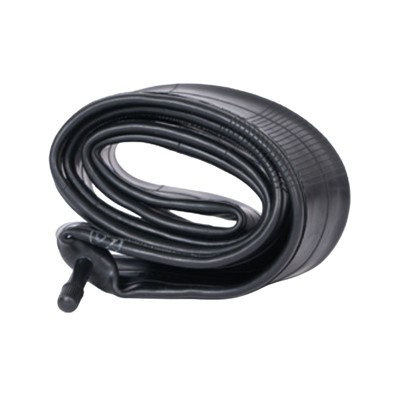
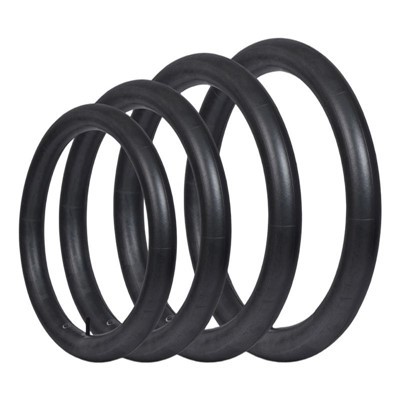
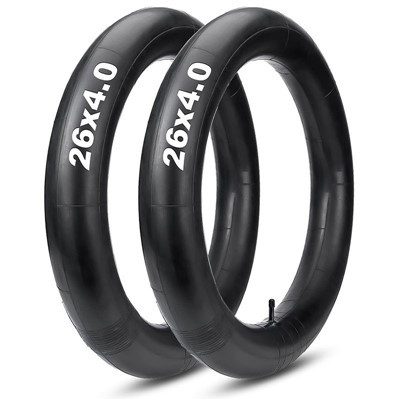
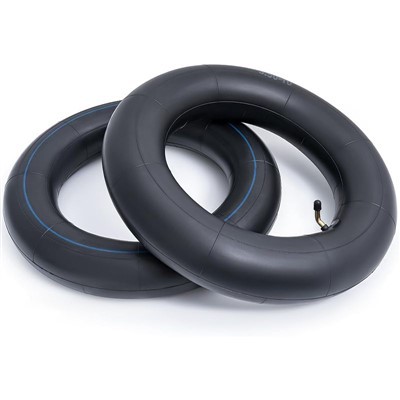
As a Scooter Tyre Tube supplier, we offer a wide range of products to meet different needs. Our Inner Tube for Scooter Tire is designed to fit various scooter models. We also have Electric Scooter Inner Tube that are specifically engineered to withstand the additional stress of electric scooters. And of course, our Scooter Tyre Tube products are made from high - quality materials to ensure durability and performance.
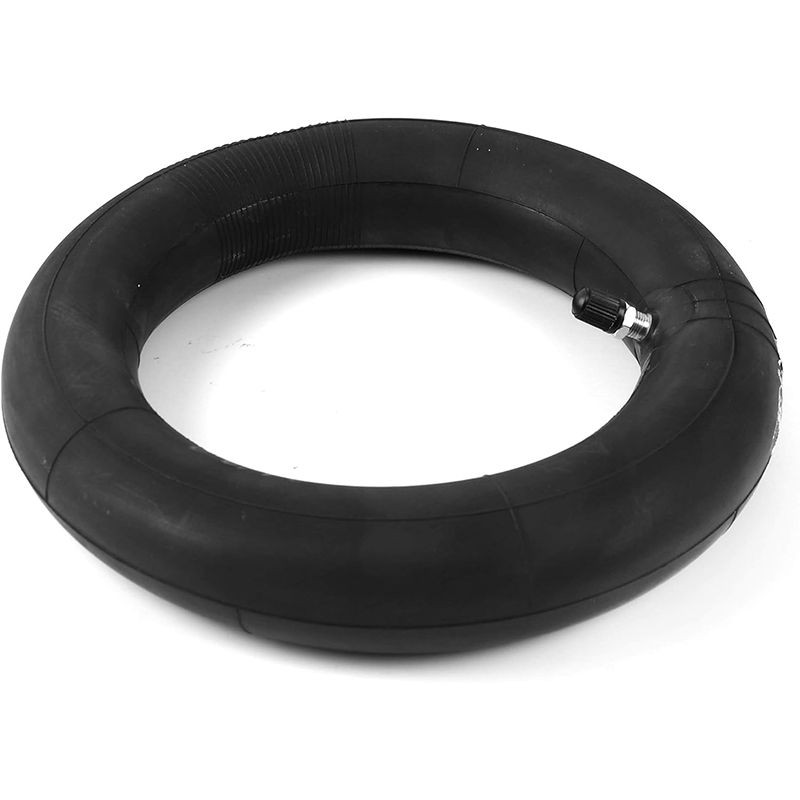
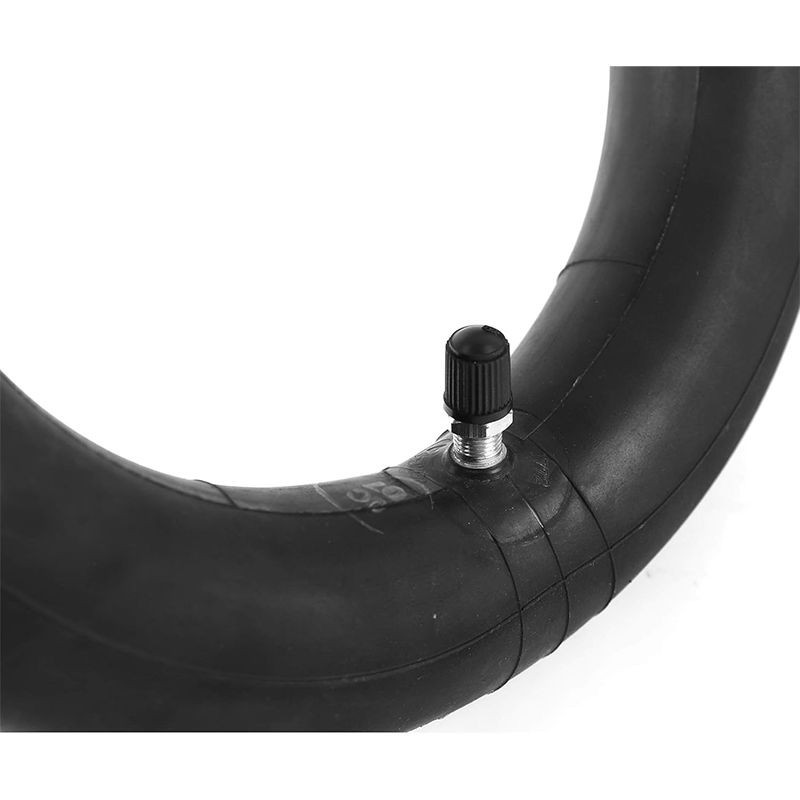
To ensure that you are inflating your scooter tyre tubes correctly, here are some steps you can follow. First, you need a reliable tyre pressure gauge. There are different types available, such as digital and analog gauges. Make sure to check the pressure when the tyres are cold, as the pressure can increase when the tyres are warm from riding. Remove the valve cap from the tyre tube and press the pressure gauge firmly onto the valve stem. Read the pressure on the gauge and compare it with the recommended range. If the pressure is too low, use a pump to add air until it reaches the appropriate level. If it's too high, you can release some air by pressing the small pin in the center of the valve stem.
It's also a good idea to check the tyre pressure regularly. A general rule of thumb is to check the pressure at least once a week, or before long rides. This simple practice can help you avoid many problems associated with improper tyre inflation.
In addition to the recommended inflation range, there are other factors to consider when it comes to the maintenance of scooter tyre tubes. For example, the age of the tube can affect its performance. Over time, the rubber in the tube can degrade, which may lead to air leakage. It's important to inspect the tube regularly for signs of wear and tear, such as cracks or bulges. If you notice any such signs, it's advisable to replace the tube as soon as possible.
Another aspect is the quality of the tube. Cheaper tubes may not be as durable or may not hold air as well as high - quality ones. As a supplier, we focus on providing tubes that are made from top - notch materials and undergo strict quality control processes. This ensures that our customers get reliable products that can serve them well for a long time.
If you are in the market for Scooter Tyre Tubes, we are here to assist you. We have a team of experts who can help you choose the right tube for your scooter based on your specific needs. Whether you need a tube for a daily commuting scooter or a high - performance electric scooter, we have the products to meet your requirements.
If you have any questions or are interested in purchasing our Scooter Tyre Tubes, feel free to contact us. We are always ready to have a detailed discussion with you about your needs and provide you with the best solutions. We believe that by working together, we can ensure that your scooter runs smoothly and safely.
References
- Tyre manufacturers' specifications
- Industry research on scooter tyre performance and safety