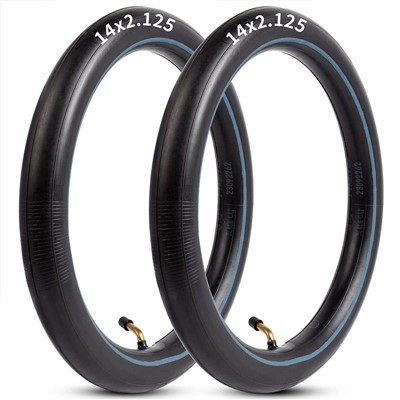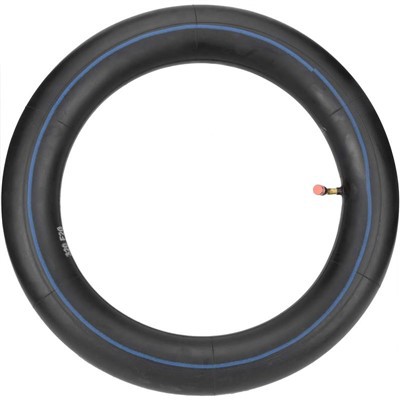

Are there any alternatives to bicycle butyl inner tubes?
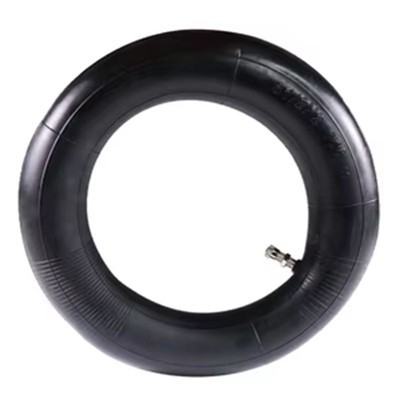
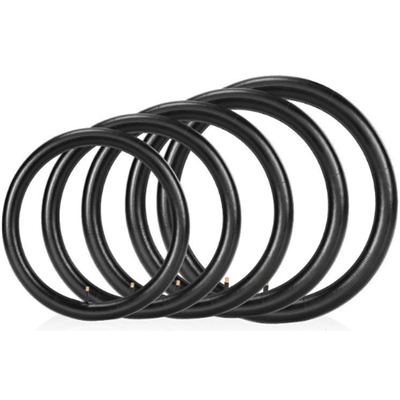
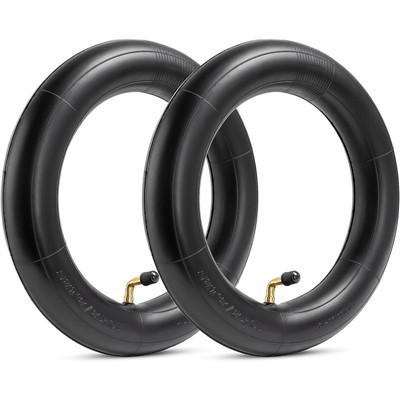
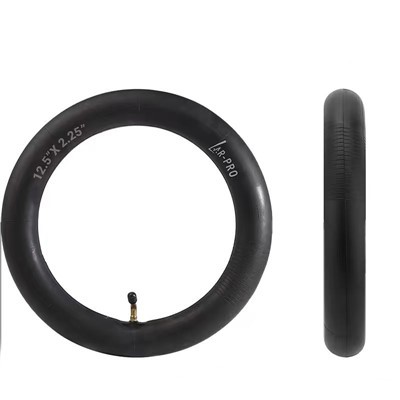
As a supplier of Bicycle Butyl Inner Tube, I've been asked this question quite often. Bicycle butyl inner tubes have long been the standard choice for cyclists around the world. They are known for their durability, air retention, and affordability. However, in recent years, there has been a growing interest in alternative options. Let's explore some of these alternatives and see how they stack up against traditional butyl inner tubes.
1. Tubeless Systems
Tubeless systems have gained significant popularity in the cycling community. Instead of using an inner tube, the tire is sealed directly to the rim, creating an airtight chamber. This design offers several advantages. Firstly, it reduces the risk of flats caused by pinch flats or punctures from small objects. Since there is no inner tube to pinch between the tire and the rim, the chances of a flat due to hitting a pothole or a sharp object are greatly reduced.
Secondly, tubeless systems allow for lower tire pressures, which can improve traction and comfort. Cyclists can run their tires at pressures as low as 20 - 30 psi, depending on the terrain and the rider's preference. This results in a smoother ride and better grip on the road or trail.
However, tubeless systems also have some drawbacks. They require a more complex installation process compared to traditional inner tubes. You need to use a special sealant, which can be messy to apply. Additionally, if a puncture occurs, it can be more difficult to repair on the go, as you need to carry the appropriate tools and sealant.
2. Latex Inner Tubes
Latex inner tubes are another alternative to butyl inner tubes. Latex is a natural rubber material that offers several benefits. It is much lighter than butyl, which can improve the overall performance of the bicycle. A lighter inner tube means less rotational weight, which can make the bike easier to accelerate and handle.
Latex inner tubes also have better shock absorption properties compared to butyl. This can result in a more comfortable ride, especially on rough terrain. Additionally, latex has a higher elasticity, which allows the tube to stretch more easily and conform to the shape of the tire.
However, latex inner tubes also have some limitations. They are more expensive than butyl inner tubes, and they require more frequent inflation due to their higher air permeability. This means that you need to check and inflate your tires more often to maintain the proper pressure.
3. Solid Rubber Inner Tubes
Solid rubber inner tubes are a completely different alternative to traditional butyl inner tubes. As the name suggests, these tubes are made of solid rubber, which means they are puncture-proof. This can be a great advantage for cyclists who frequently ride in areas with a lot of sharp objects or who don't want to deal with the hassle of flat repairs.
Solid rubber inner tubes also have a long lifespan, as they don't wear out like traditional inner tubes. However, they also have some significant drawbacks. They are much heavier than butyl or latex inner tubes, which can affect the performance of the bicycle. The lack of air in the tube also means that there is no shock absorption, which can result in a rougher ride.
4. Foam-Filled Inner Tubes
Foam-filled inner tubes are similar to solid rubber inner tubes in that they are puncture-proof. However, they are made of a foam material that provides some degree of shock absorption. This can make the ride more comfortable compared to solid rubber inner tubes.
Foam-filled inner tubes are also relatively easy to install and maintain. They don't require inflation, so you don't have to worry about checking the tire pressure regularly. However, they are also heavier than butyl inner tubes, and they can be more expensive.
So, Are There Any Alternatives to Bicycle Butyl Inner Tubes?
The answer is yes. There are several alternatives to bicycle butyl inner tubes, each with its own set of advantages and disadvantages. Tubeless systems offer better puncture resistance and lower tire pressures, but they require a more complex installation process. Latex inner tubes are lighter and offer better shock absorption, but they are more expensive and require more frequent inflation. Solid rubber and foam-filled inner tubes are puncture-proof, but they are heavier and can result in a rougher ride.
As a supplier of Bicycle Butyl Inner Tube, I understand that different cyclists have different needs and preferences. That's why we offer a wide range of inner tubes, including butyl, latex, and other alternatives. Whether you're a casual cyclist looking for a reliable and affordable inner tube or a professional rider in need of high-performance options, we have the right product for you.
If you're interested in learning more about our Bicycle Innertubes or Fat Tire Bike Inner Tube, please don't hesitate to contact us. We're here to help you find the perfect inner tube for your bicycle.
References
- "The Ultimate Guide to Tubeless Bicycle Tires." Bicycling Magazine.
- "Latex vs. Butyl Inner Tubes: Which is Right for You?" Cycling Weekly.
- "Solid Rubber Inner Tubes: Pros and Cons." Mountain Bike Action.
- "Foam-Filled Inner Tubes: A Puncture-Proof Solution?" BikeRadar.