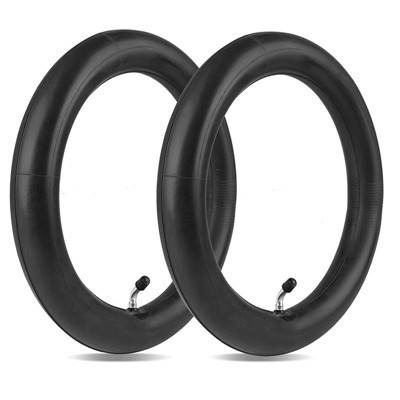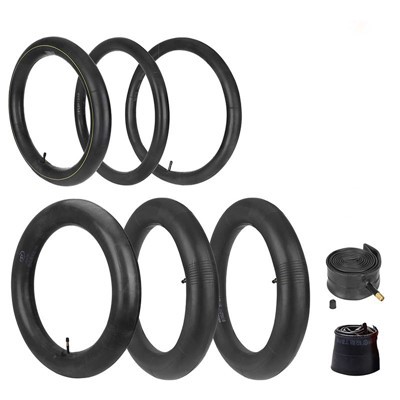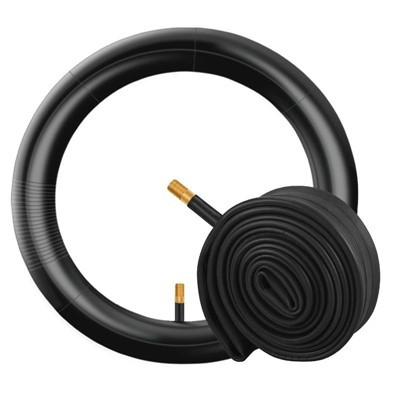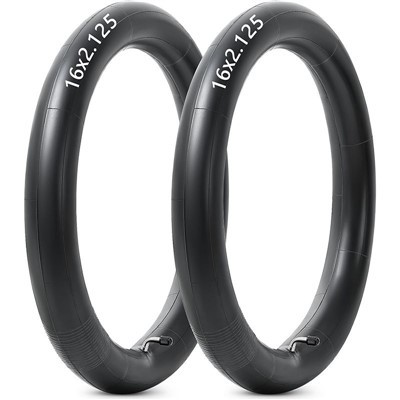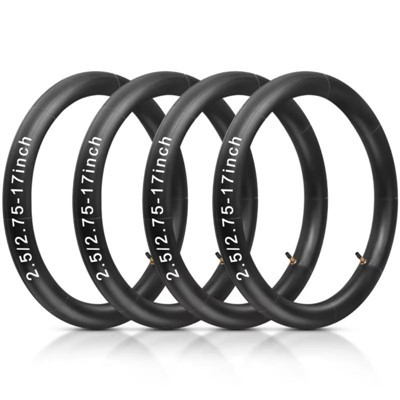

As a seasoned supplier of Bicycle Innertubes, I've witnessed firsthand the importance of maintaining high - quality innertubes for a smooth and safe cycling experience. Over the years, I've encountered numerous cyclists who are unsure when it's time to replace their bicycle innertubes. In this blog, I'll share some key signs that indicate it's time for a new innertube.
Frequent Punctures
One of the most obvious signs that a bicycle innertube needs to be replaced is when it gets punctured frequently. If you find yourself patching up the same innertube every few rides, it's a clear indication that the tube has reached the end of its lifespan. Over time, the rubber of the innertube becomes thinner and more brittle, making it more susceptible to punctures. Small holes that are patched may weaken the surrounding area, leading to more punctures in the future.
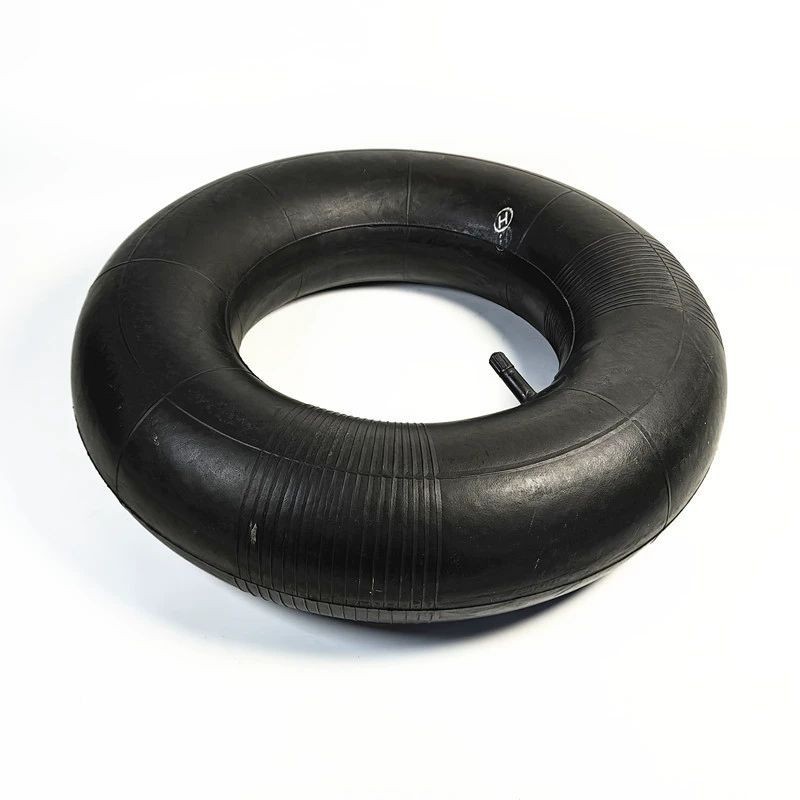
For example, if you're a daily commuter and your innertube has been punctured three or more times in a short period, it's likely that the tube is no longer in good condition. Continuing to use a tube that is constantly getting punctured can be frustrating and time - consuming. It also poses a safety risk, as a sudden flat tire can cause you to lose control of your bike.
Visible Wear and Tear
Inspecting your innertube for visible wear and tear is crucial. Look for signs such as cracks, cuts, or bulges on the surface of the tube. Cracks can occur due to exposure to sunlight, extreme temperatures, or simply from normal wear and tear over time. These cracks can expand and eventually lead to a flat tire.
Cuts can be caused by sharp objects on the road, such as glass or nails. Even a small cut can compromise the integrity of the innertube. Bulges are another serious issue. They can form when the inner tube is pinched between the tire and the rim, or when there is a weakness in the tube material. A bulge can burst suddenly, causing an immediate flat tire.
If you notice any of these visible signs of damage, it's time to replace the innertube. Don't take the risk of riding with a damaged tube, as it can lead to a dangerous situation on the road.
Loss of Air Pressure
A slow leak or a significant loss of air pressure is another sign that your innertube may need to be replaced. If you find that you have to inflate your tires more often than usual, it could be due to a small hole or a problem with the valve. While a slow leak can sometimes be fixed by patching the tube, if the problem persists, it's likely that the innertube is no longer holding air properly.
To check for a slow leak, you can submerge the inflated innertube in a bucket of water and look for bubbles. If you see bubbles, you've found the source of the leak. However, if you keep finding leaks in different parts of the tube or if the tube loses air even after patching, it's a strong indication that it's time for a new innertube.
Age of the Innertube
Just like any other rubber product, bicycle innertubes have a limited lifespan. Even if you don't use your bike frequently, the rubber in the innertube will degrade over time. Exposure to oxygen, sunlight, and temperature changes can cause the rubber to harden and become less flexible.
As a general rule of thumb, if your innertube is more than two years old, it's a good idea to start considering a replacement. Older innertubes are more likely to develop cracks, punctures, and lose air pressure. Replacing the innertube regularly can help ensure that your bike performs at its best and that you stay safe on the road.
Incompatibility with the Tire or Rim
Sometimes, the problem may not be with the innertube itself, but with its compatibility with the tire or rim. If you've recently changed your tires or rims, the innertube may not fit properly. An ill - fitting innertube can cause problems such as pinch flats, where the tube gets pinched between the tire and the rim when the tire is inflated.
Make sure that you choose an innertube that is the right size for your tire and rim. You can usually find the recommended innertube size on the sidewall of your tire. If you're unsure, consult a professional bike mechanic or refer to the manufacturer's guidelines.
Why Choose Our Bicycle Innertubes
At our company, we understand the importance of providing high - quality bicycle innertubes. We offer a wide range of innertubes to suit different types of bikes and riding styles. Our Bicycle Innertubes are made from premium rubber materials that are durable and resistant to punctures.
We also offer Airless Bicycle Inner Tubes, which are a great option for those who want to avoid the hassle of flat tires. These airless tubes provide a smooth and comfortable ride, and they are suitable for various terrains.
For those who love beach cruising, our Beach Cruiser Bike Inner Tube is the perfect choice. It's designed to handle the unique demands of beach riding, such as soft sand and uneven surfaces.
Contact Us for Purchase
If you're in the market for new bicycle innertubes, we'd love to hear from you. Whether you're a professional cyclist, a casual rider, or a bike shop owner, we can provide you with the right innertubes for your needs. Contact us today to discuss your requirements and get a quote. We're committed to providing excellent customer service and high - quality products.
References
- "Bicycle Maintenance Guide" by John Smith
- "The Complete Book of Bicycles" by David Gordon Wilson