
When it comes to cycling, one of the most frustrating issues riders face is flat tires. Whether you're a casual cyclist enjoying a weekend ride or a professional athlete pushing the limits, a flat tire can quickly turn a great day on the bike into a hassle. Two popular solutions to prevent flats are thorn-resistant tubes and sealant-filled tubes. As a supplier of Bike Tube Thorn Resistant, I've had the opportunity to see firsthand the benefits and drawbacks of each approach. In this blog post, I'll compare these two types of tubes and help you decide which one is right for you.
Understanding Thorn-Resistant Tubes
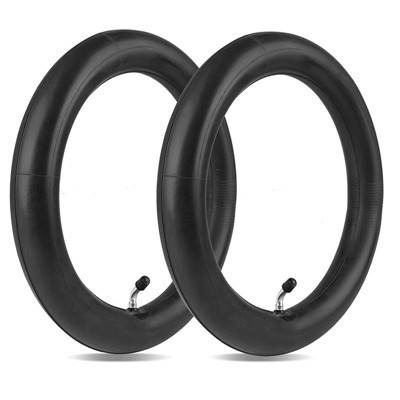
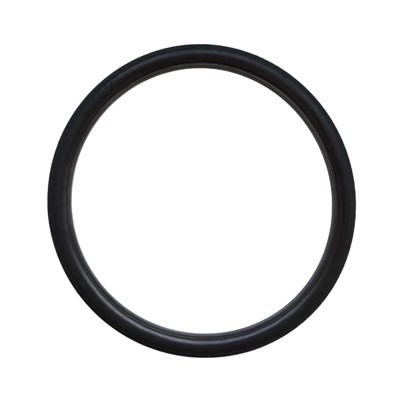
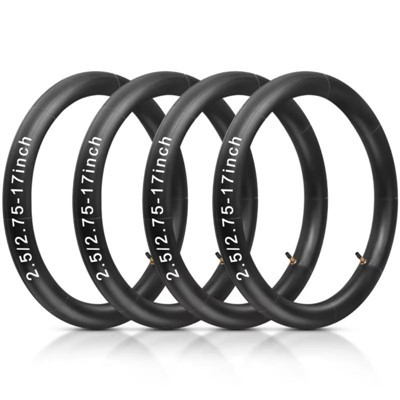
Thorn-resistant tubes are designed with an extra layer of protection to prevent punctures from sharp objects like thorns, glass, and nails. These tubes typically have a thicker wall compared to standard tubes, which provides a physical barrier against potential puncture threats. The additional thickness can vary, but it generally ranges from a few millimeters to a significant increase in the tube's overall structure.
One of the main advantages of thorn-resistant tubes is their durability. They are built to withstand the rigors of rough terrain and frequent encounters with sharp objects. This makes them an excellent choice for cyclists who often ride on unpaved roads, trails, or areas with a high risk of punctures. For example, mountain bikers who navigate through forests or on rocky paths can benefit greatly from the added protection of thorn-resistant tubes.
Another benefit is the peace of mind they offer. Knowing that your tubes are less likely to puncture allows you to focus on your ride without constantly worrying about getting a flat. This can enhance your overall cycling experience, especially on long rides or in remote areas where getting a flat could be a major inconvenience.
However, thorn-resistant tubes also have some drawbacks. The extra thickness and material used to make them resistant to thorns can make the tubes heavier. This added weight can affect the bike's performance, especially when it comes to acceleration and climbing. Additionally, thorn-resistant tubes tend to be more expensive than standard tubes, which can be a consideration for budget-conscious cyclists.
Exploring Sealant-Filled Tubes
Sealant-filled tubes are a different approach to preventing flats. Instead of relying on a physical barrier, these tubes are filled with a special sealant that can quickly seal small punctures as they occur. The sealant is a viscous liquid that contains particles and fibers that work together to plug holes in the tube.
One of the key advantages of sealant-filled tubes is their ability to self-seal. When a sharp object punctures the tube, the sealant is forced into the hole by the air pressure inside the tube. The particles and fibers in the sealant then form a plug, preventing air from escaping and keeping the tire inflated. This means that you can often continue riding even after a puncture, without having to stop and change the tube.
Sealant-filled tubes are also relatively lightweight compared to thorn-resistant tubes. Since they don't rely on a thick wall for protection, they add less weight to the bike, which can improve performance. This makes them a popular choice for road cyclists and racers who are looking for every possible advantage.
However, sealant-filled tubes also have their limitations. The sealant has a limited lifespan and needs to be replaced periodically. Over time, the sealant can dry out or lose its effectiveness, which means it may not be able to seal punctures as effectively. Additionally, sealant-filled tubes may not be as effective against larger punctures or cuts, as the sealant may not be able to form a proper plug.
Comparing the Two
Now that we've looked at the features of both thorn-resistant tubes and sealant-filled tubes, let's compare them in more detail.
Puncture Resistance
In terms of puncture resistance, thorn-resistant tubes have a clear advantage. The thick wall provides a physical barrier that can prevent many types of punctures, including those from sharp thorns and nails. Sealant-filled tubes, on the other hand, rely on the sealant to seal punctures after they occur. While the sealant can be effective for small punctures, it may not be able to handle larger or more severe punctures.
Weight
Sealant-filled tubes are generally lighter than thorn-resistant tubes. The extra thickness of the thorn-resistant tubes adds weight to the bike, which can affect performance, especially when it comes to acceleration and climbing. If weight is a major concern for you, sealant-filled tubes may be the better choice.
Cost
Thorn-resistant tubes are typically more expensive than sealant-filled tubes. The additional material and manufacturing processes required to make them puncture-resistant contribute to the higher cost. If you're on a budget, sealant-filled tubes may be a more affordable option.
Maintenance
Sealant-filled tubes require more maintenance than thorn-resistant tubes. The sealant needs to be replaced periodically, and if it dries out or loses its effectiveness, it may not be able to seal punctures properly. Thorn-resistant tubes, on the other hand, require less maintenance, as they don't have any additional components that need to be replaced.
Which One Should You Choose?
The choice between thorn-resistant tubes and sealant-filled tubes depends on your individual needs and preferences. If you frequently ride on rough terrain or in areas with a high risk of punctures, thorn-resistant tubes may be the better choice. They offer superior puncture resistance and can provide peace of mind on your rides.
On the other hand, if you're a road cyclist or racer who is looking for a lightweight option and doesn't mind the additional maintenance, sealant-filled tubes may be a good fit. They can help you avoid flats and keep you on the road without adding too much weight to your bike.
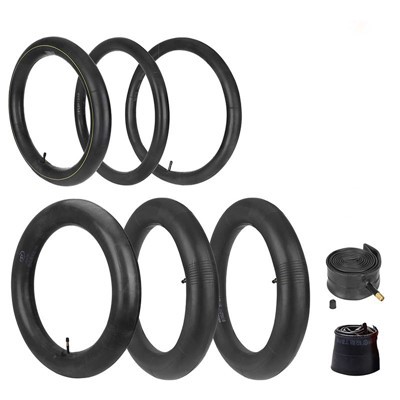
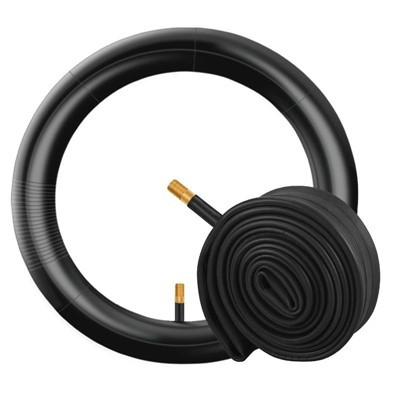
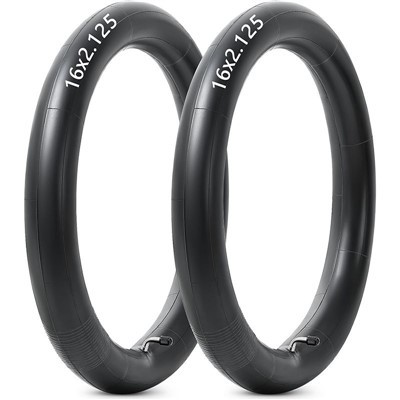
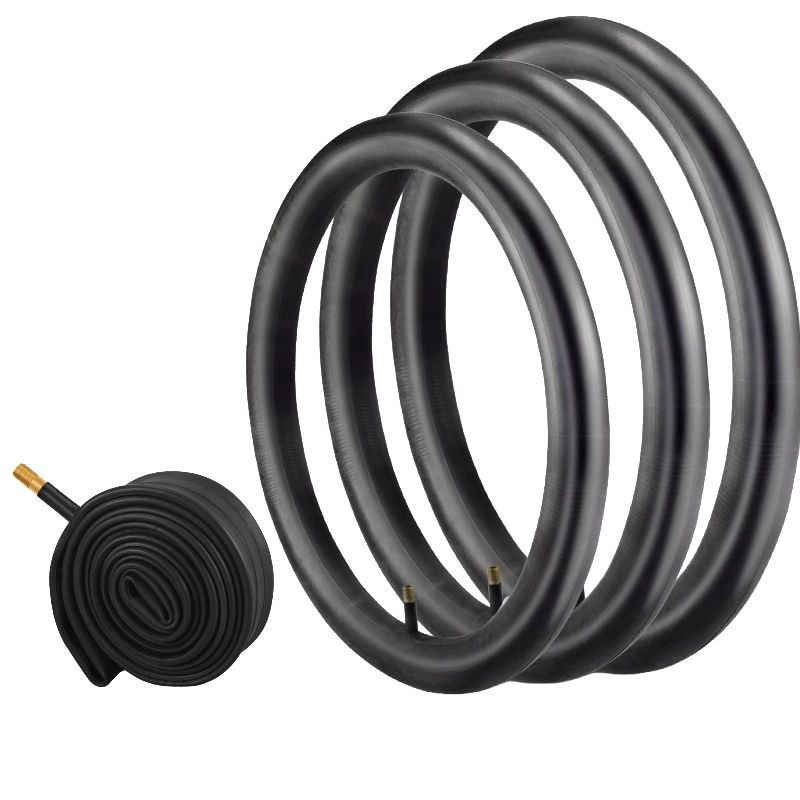
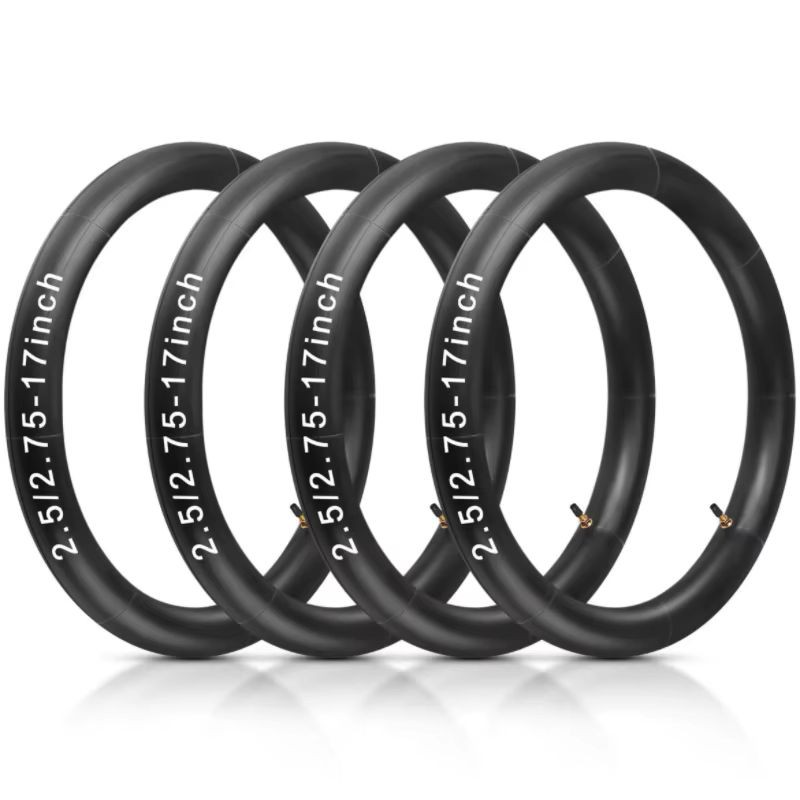
As a supplier of Bike Tube Thorn Resistant, I'm happy to offer a range of high-quality thorn-resistant tubes that are designed to meet the needs of cyclists of all levels. Our Extra Thick Bicycle Inner Tubes provide maximum protection against punctures, while our Bike Tube With Long Stem offers added convenience for riders.
If you're interested in learning more about our products or have any questions about thorn-resistant tubes or sealant-filled tubes, please don't hesitate to contact us. We're here to help you find the best solution for your cycling needs. Whether you're a beginner or an experienced cyclist, we can provide you with the information and support you need to make an informed decision.
References
- Wilson, J. (2020). The Ultimate Guide to Bicycle Inner Tubes. Cycling World Magazine.
- Smith, A. (2019). Comparing Thorn-Resistant and Sealant-Filled Tubes. Biking Today.