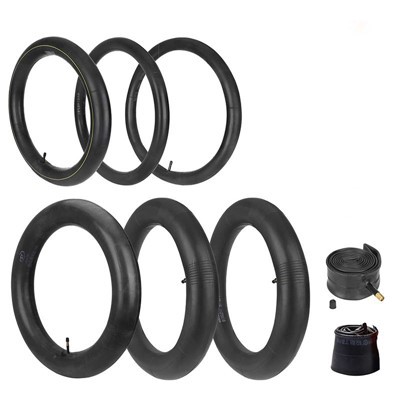

Latex road bike tubes have long been a topic of interest among cycling enthusiasts, especially when it comes to their elasticity compared to regular tubes. As a supplier of latex road bike tubes, I've had the opportunity to witness the unique characteristics of these tubes firsthand and understand the science behind their performance.
Understanding Elasticity in Bike Tubes
Elasticity is a fundamental property of materials, referring to their ability to deform under stress and return to their original shape once the stress is removed. In the context of bike tubes, elasticity plays a crucial role in determining the tube's performance, comfort, and durability.
Regular bike tubes are typically made of butyl rubber, a synthetic rubber known for its air - holding properties. Butyl rubber tubes have a relatively low elasticity, which means they can withstand high pressures without stretching significantly. This makes them suitable for a wide range of riding conditions, as they are less likely to burst under heavy loads or high - speed impacts.
On the other hand, latex road bike tubes are made from natural latex, a material derived from the sap of rubber trees. Latex has a much higher elasticity compared to butyl rubber. This high elasticity allows latex tubes to stretch more easily under pressure, conforming to the shape of the tire and the road surface.
The Science Behind Latex Elasticity
The molecular structure of latex is the key to its high elasticity. Latex consists of long polymer chains that are cross - linked together. These chains are highly flexible and can move freely past one another when a force is applied. When the force is removed, the cross - links pull the chains back to their original position, causing the latex to return to its original shape.
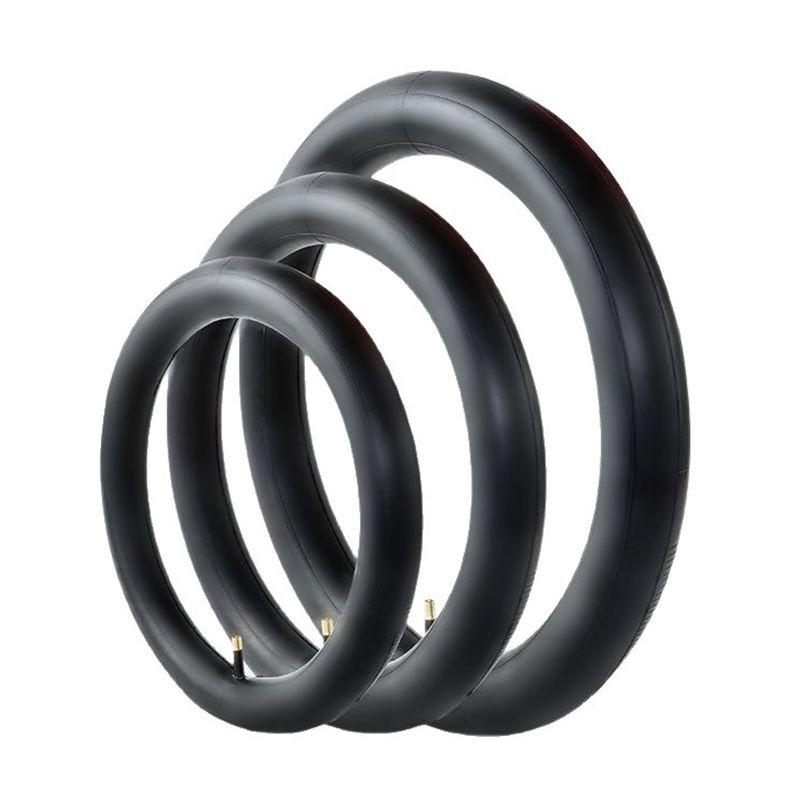

In contrast, butyl rubber has a more rigid molecular structure. The polymer chains in butyl rubber are less flexible and have fewer cross - links, which limits their ability to stretch. This results in a tube that is stiffer and less elastic.
Performance Advantages of Latex Tubes' Elasticity
The high elasticity of latex road bike tubes offers several performance advantages. Firstly, it provides a smoother ride. As the tube stretches to conform to the road surface, it absorbs small bumps and vibrations more effectively than a regular tube. This can significantly improve the rider's comfort, especially on rough roads.
Secondly, the elasticity of latex tubes can enhance rolling resistance. When a bike is in motion, the tire deforms as it contacts the road. A more elastic tube can deform and recover more quickly, reducing the energy lost in the deformation process. This means that the bike can roll more easily, requiring less effort from the rider.
Another advantage is the ability to run at lower pressures. Due to their high elasticity, latex tubes can maintain their shape and performance even at lower pressures compared to butyl rubber tubes. This can provide a more comfortable ride and better traction, especially on soft or uneven surfaces.
Drawbacks of Latex Tubes' Elasticity
However, the high elasticity of latex tubes also comes with some drawbacks. One of the main issues is their durability. Because latex is more elastic, it is also more prone to punctures. The tube can stretch more easily around sharp objects, increasing the risk of a puncture.
Latex tubes also require more maintenance. They need to be inflated more frequently than butyl rubber tubes because they are more porous and lose air more quickly. Additionally, latex tubes can be affected by exposure to sunlight, heat, and certain chemicals, which can cause them to degrade over time.
Comparison in Different Riding Conditions
In different riding conditions, the elasticity of latex and regular tubes can have different impacts. For example, in racing or high - speed riding, the low rolling resistance provided by the elasticity of latex tubes can give riders a competitive edge. The smooth ride also allows riders to maintain their focus and energy for longer periods.
On the other hand, for commuting or casual riding, the durability and lower maintenance requirements of regular butyl rubber tubes may be more appealing. Riders don't have to worry as much about punctures or frequent inflation, making the overall riding experience more hassle - free.
Product Offerings
As a supplier of latex road bike tubes, we understand the unique needs of cyclists. We offer a range of products, including Bike Tube With Long Stem, which is ideal for bikes with deep - section rims. The long stem allows for easy inflation and ensures a secure connection to the valve.
Our Fat Tire Bike Inner Tube is designed for fat tire bikes, which require tubes that can withstand the high pressures and large volume of air. The elasticity of our latex tubes provides a comfortable and efficient ride for fat tire bike enthusiasts.
For those who are concerned about punctures, we also offer Extra Thick Bicycle Inner Tubes. These tubes combine the high elasticity of latex with an extra layer of protection, reducing the risk of punctures while still maintaining the performance benefits of latex.
Conclusion
In conclusion, latex road bike tubes do have a different elasticity compared to regular tubes. Their high elasticity offers significant performance advantages in terms of ride comfort, rolling resistance, and the ability to run at lower pressures. However, it also comes with some drawbacks, such as lower durability and higher maintenance requirements.
Whether you choose latex or regular tubes depends on your riding style, preferences, and the conditions in which you ride. As a supplier, we are committed to providing high - quality latex road bike tubes that meet the diverse needs of cyclists. If you are interested in our products or have any questions, please feel free to contact us for a procurement discussion.
References
- "The Physics of Cycling" by David Gordon Wilson
- "Bicycle Science" by Frank Rowland Whitt and David Gordon Wilson