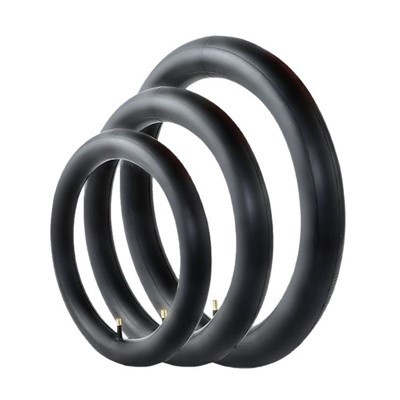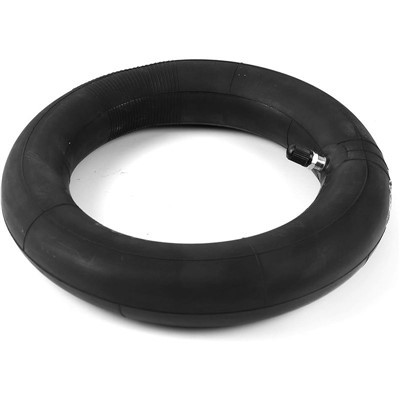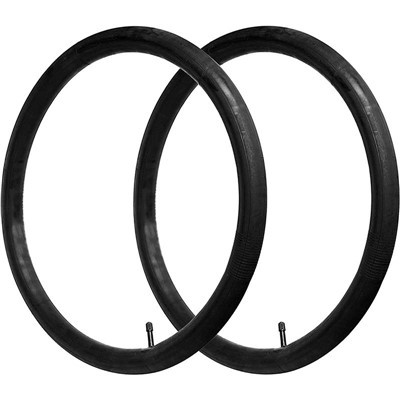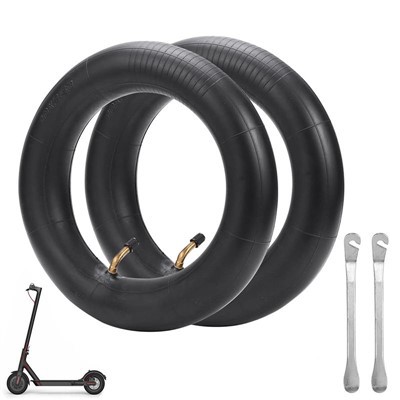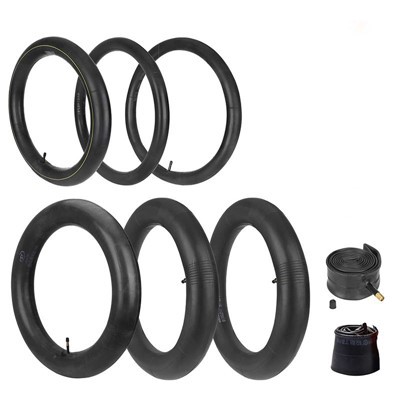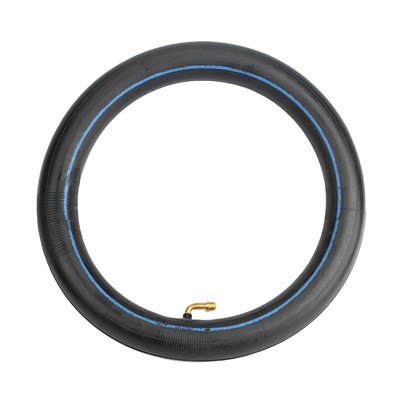

When it comes to cycling, energy efficiency is a big deal. It can make your ride smoother, faster, and less tiring. As a supplier of Airless Bicycle Inner Tubes, I've been getting a lot of questions about how these airless tubes stack up against traditional ones in terms of energy efficiency. So, let's dive right in and break it down.
How Traditional Bicycle Inner Tubes Work
First off, let's talk about regular inner tubes. These are the ones you're probably most familiar with. They're filled with air, and that air acts as a cushion between the bike's wheel and the ground. When you pedal, the energy you put in gets transferred through the bike to the wheels. The air in the tube helps absorb shocks from bumps and uneven surfaces, but it also has some drawbacks.
One of the main issues with traditional tubes is that they can lose air over time. A flat tire can really kill your energy efficiency. You have to stop, fix the flat, and then get back on the road. Even if you don't get a flat, the air pressure in the tube can affect how efficiently your bike rolls. If the pressure is too low, the tire will deform more as it rolls, creating more friction and using up more energy. If the pressure is too high, the ride can be uncomfortable, and you might also have less traction.
The Science Behind Airless Bicycle Inner Tubes
Airless bicycle inner tubes are a relatively new innovation. Instead of air, they use materials like foam or solid rubber to provide cushioning. These materials are designed to be flexible enough to absorb shocks but also strong enough to maintain their shape.
One of the biggest advantages of airless tubes is that you don't have to worry about flats. This means you can keep riding without having to stop and fix a puncture. But how does this translate to energy efficiency?
Well, when you're riding a bike with airless tubes, you don't have to deal with the energy loss that comes from a flat tire. You also don't have to constantly check and adjust the air pressure. This can save you a lot of time and energy in the long run.
Another factor to consider is the rolling resistance. Rolling resistance is the force that resists the motion of the bike as it rolls along the ground. In traditional tubes, the air pressure and the deformation of the tire can increase the rolling resistance. With airless tubes, the materials are designed to have a lower rolling resistance. This means that you can pedal with less effort and go faster for the same amount of energy.
Comparing Energy Efficiency
Let's look at some real-world examples to see how airless tubes compare to traditional tubes in terms of energy efficiency.
Commuting
If you're using your bike to commute to work or school, energy efficiency is crucial. You want to get to your destination as quickly and easily as possible. With traditional tubes, you might have to deal with flats or low air pressure, which can slow you down and make your ride more tiring.
Airless tubes, on the other hand, offer a more consistent ride. You don't have to worry about flats, and the lower rolling resistance means you can pedal with less effort. This can save you a lot of energy, especially on longer commutes.
Mountain Biking
Mountain biking is a more challenging activity that requires a lot of energy. The rough terrain and steep hills can put a lot of strain on your body. Traditional tubes can be a problem on mountain bikes because they're more likely to get punctured. A flat tire can be dangerous on a mountain bike, and it can also slow you down.
Airless tubes are a great option for mountain biking. They can handle the rough terrain without getting punctured, and the lower rolling resistance can help you climb hills more easily. This means you can focus on enjoying the ride and not worry about flats.
Road Cycling
Road cycling is all about speed and efficiency. You want to go as fast as possible with the least amount of effort. Traditional tubes can be a good option for road cycling, but they require careful maintenance to ensure the right air pressure.
Airless tubes offer a more consistent ride on the road. They don't require any air pressure adjustments, and the lower rolling resistance can help you go faster. This can give you an edge in races or just make your training rides more efficient.
Other Benefits of Airless Bicycle Inner Tubes
In addition to energy efficiency, airless tubes have other benefits.
Durability
Airless tubes are much more durable than traditional tubes. They can withstand a lot of wear and tear without getting punctured. This means you don't have to replace them as often, which can save you money in the long run.
Safety
As I mentioned earlier, airless tubes eliminate the risk of flats. This can be a big safety advantage, especially when you're riding at high speeds or on busy roads. A flat tire can cause you to lose control of your bike, which can lead to accidents.
Environmentally Friendly
Airless tubes are also more environmentally friendly than traditional tubes. They don't require any air, which means you don't have to use energy to pump them up. They also last longer, which means less waste.
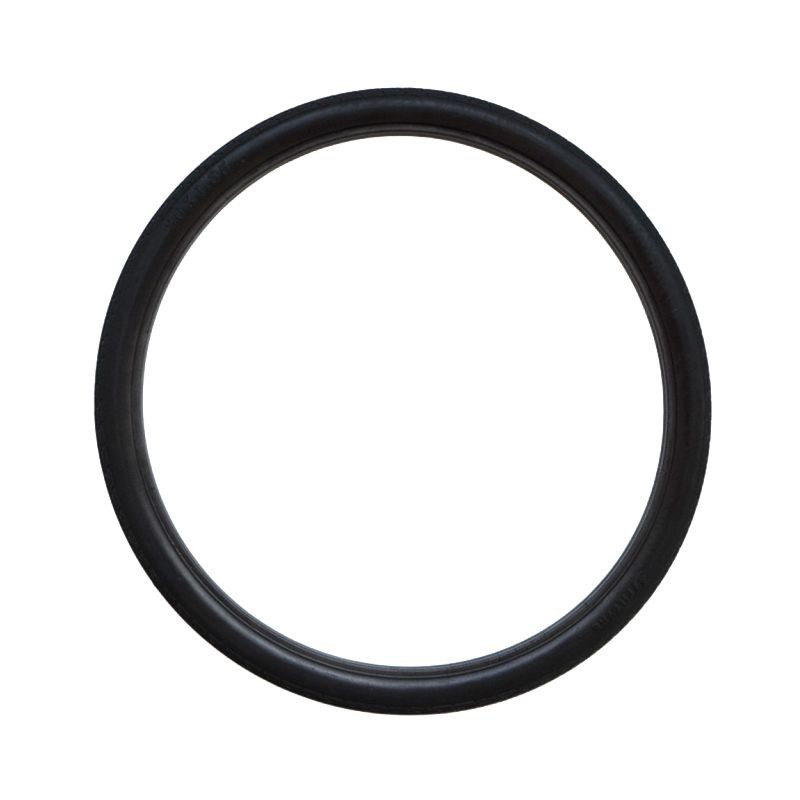

Our Products
At our company, we offer a range of airless bicycle inner tubes to suit different needs. Whether you're a commuter, a mountain biker, or a road cyclist, we have the right tube for you.
We also offer other types of inner tubes, such as Fat Tire Bike Inner Tube, No Flat Bicycle Tubes, and Latex Road Bike Tubes. These tubes are designed to provide a high level of performance and durability.
Conclusion
In conclusion, airless bicycle inner tubes offer a number of advantages in terms of energy efficiency. They eliminate the risk of flats, have a lower rolling resistance, and require less maintenance. They're also more durable, safer, and environmentally friendly.
If you're looking for a way to improve your cycling experience and save energy, I highly recommend considering airless tubes. And if you're interested in purchasing our products, please don't hesitate to contact us for a procurement discussion. We're here to help you find the right inner tubes for your needs.
References
- Wilson, J. (2020). The Science of Cycling. Cycling Press.
- Brown, M. (2019). Bicycle Technology: A Comprehensive Guide. Bicycle Books.