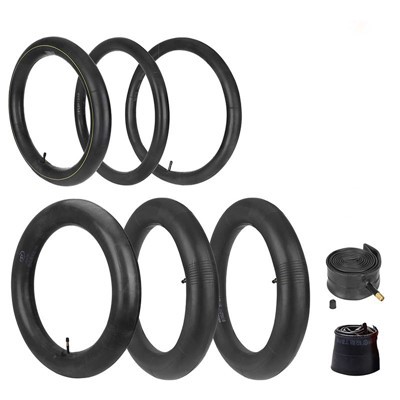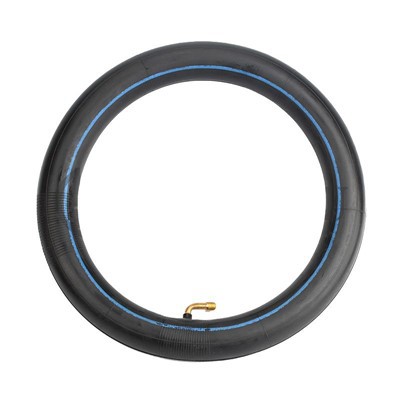

As a supplier of Electric Bike Inner Tubes, I often get asked about the shelf life of these products. It's a crucial question for both retailers and end - users, as understanding the shelf life can help in proper inventory management and ensuring the quality of the tubes when they're eventually used.
Understanding the Shelf Life Concept
In general, the shelf life of a product refers to the length of time it can be stored under specific conditions and still retain its intended functionality. For electric bike inner tubes, the shelf life is influenced by several factors.
One of the primary materials used in electric bike inner tubes is butyl rubber. Butyl rubber is known for its excellent air - retention properties, which is why it's a popular choice for inner tubes. However, like all rubber products, butyl rubber is subject to degradation over time.
Factors Affecting the Shelf Life of Electric Bike Inner Tubes
1. Storage Conditions
The way inner tubes are stored plays a significant role in determining their shelf life. If the tubes are stored in a cool, dry place away from direct sunlight, they can last longer. Sunlight contains ultraviolet (UV) rays, which can break down the rubber molecules in the inner tube. High temperatures can also accelerate the aging process of the rubber. For example, if the tubes are stored in a hot attic or a shed exposed to direct sunlight, the rubber will start to harden and become brittle more quickly.
On the other hand, storing the tubes in a climate - controlled environment, such as a warehouse with regulated temperature and humidity, can significantly extend their shelf life. A temperature range of around 20 - 25 degrees Celsius and a relative humidity of 40 - 60% is considered ideal for storing rubber products.
2. Chemical Exposure
Inner tubes can be affected by exposure to various chemicals. For instance, contact with oils, solvents, or certain cleaning agents can cause the rubber to deteriorate. These chemicals can react with the rubber and break down its molecular structure, leading to a loss of elasticity and air - retention properties. It's important to store the tubes away from areas where they might come into contact with such chemicals.
3. Oxidation
Oxidation is a natural process that occurs when rubber is exposed to oxygen. Over time, oxidation can cause the rubber to become hard and cracked. To slow down the oxidation process, manufacturers often add antioxidants to the rubber during the production of inner tubes. However, these antioxidants have a limited lifespan, and eventually, oxidation will start to take its toll on the inner tube.
Estimating the Shelf Life
While it's difficult to give an exact shelf life for electric bike inner tubes, under ideal storage conditions, a well - made butyl inner tube can last anywhere from 3 to 5 years. However, if the storage conditions are poor, the shelf life can be significantly reduced. For example, if the tubes are stored in a hot and humid environment, they might start to show signs of degradation within a year or two.
Signs of Degradation
It's important for retailers and end - users to be able to recognize the signs of degradation in electric bike inner tubes. Some common signs include:
- Hardening: The rubber becomes stiff and loses its flexibility. This can make it difficult to install the inner tube and can also reduce its ability to seal properly.
- Cracking: Small cracks can appear on the surface of the inner tube. These cracks can lead to air leakage and eventually cause a flat tire.
- Discoloration: The inner tube may change color, usually becoming darker. This is often a sign of oxidation and degradation.
Impact on Performance
When an inner tube has reached the end of its shelf life or has been significantly degraded, its performance will be affected. The air - retention properties of the tube will decrease, meaning that the tire will lose air more quickly. This can lead to frequent flat tires and a less comfortable riding experience. Additionally, a degraded inner tube may be more prone to punctures, as the rubber is no longer as strong and flexible as it once was.
Our Products and Their Shelf Life
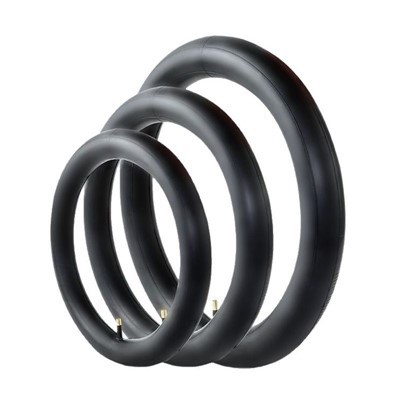
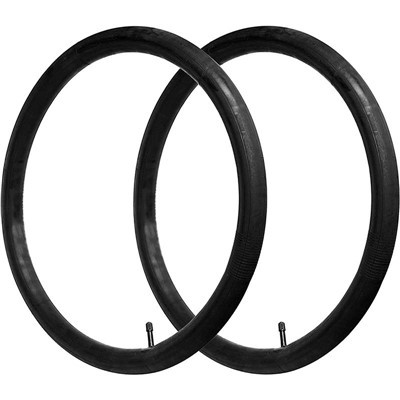
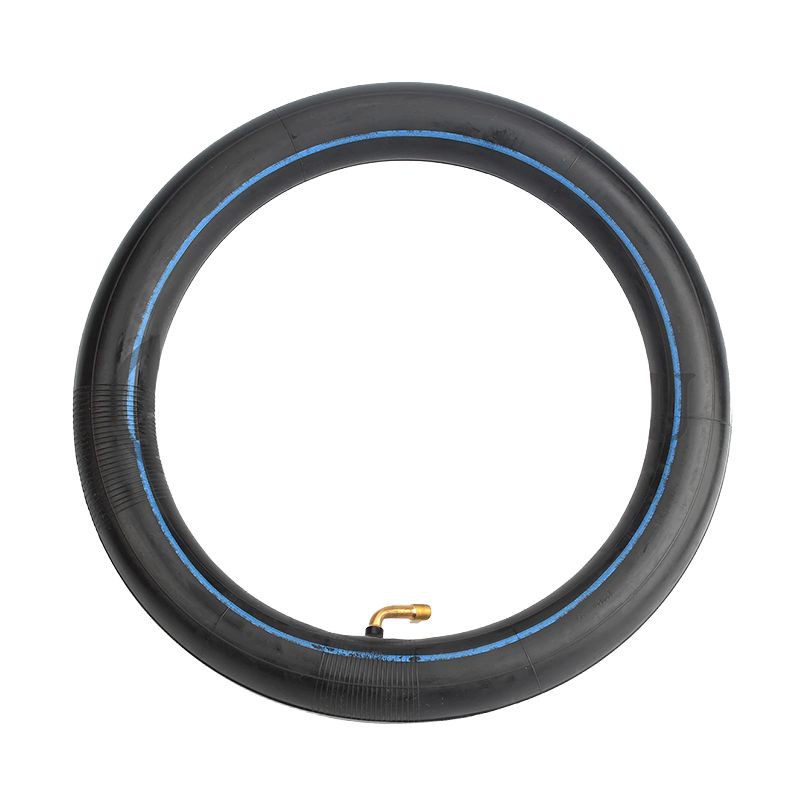
As a supplier of Electric Bike Inner Tubes, we take great care in ensuring the quality of our products. Our Electric Bike Butyl Inner Tube is made from high - quality butyl rubber and is designed to have a long shelf life. We also provide clear storage instructions to our customers to help them maximize the lifespan of our products.
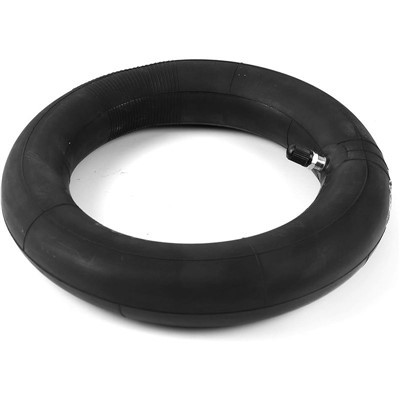
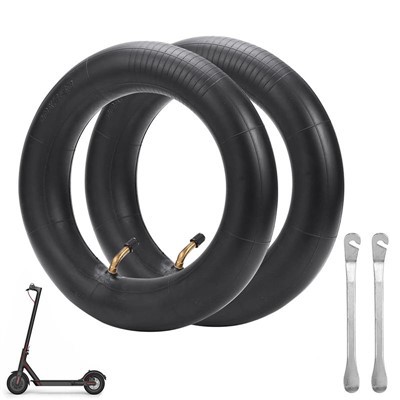
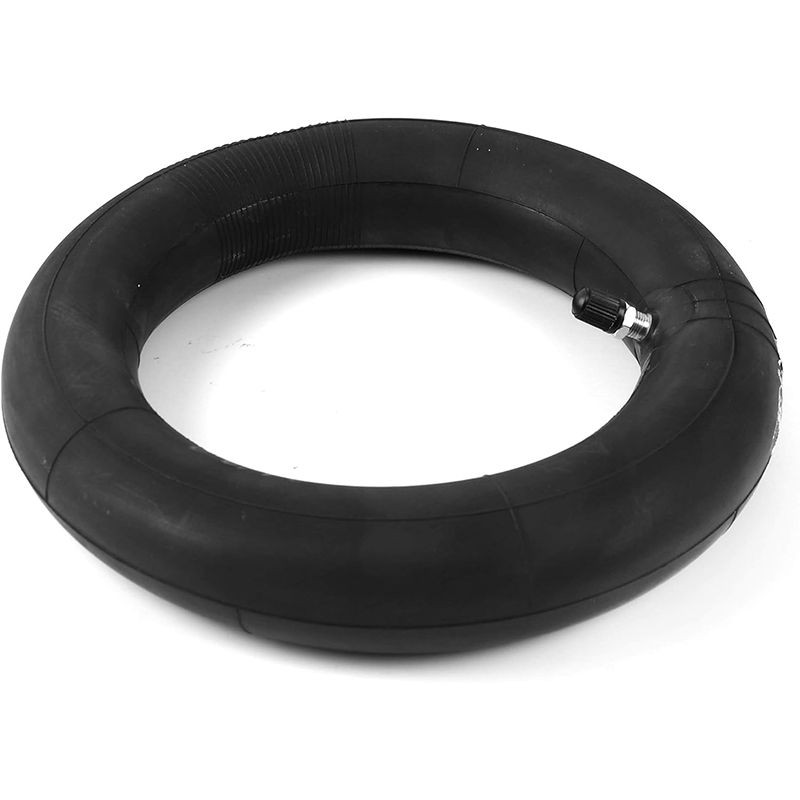
In addition to electric bike inner tubes, we also offer Tube for Electric Scooter and Inner Tube for Scooter Tire. These products are also subject to similar shelf - life considerations, and we ensure that they are manufactured and stored to maintain their quality.
Conclusion
In conclusion, electric bike inner tubes do have a limited shelf life, which is influenced by factors such as storage conditions, chemical exposure, and oxidation. By understanding these factors and taking proper care of the tubes, retailers and end - users can ensure that the inner tubes remain in good condition for as long as possible.
If you're in the market for high - quality electric bike inner tubes or inner tubes for electric scooters, we invite you to contact us for a purchase negotiation. We're committed to providing the best products and services to meet your needs.
References
- ASTM International. (2019). Standard Guide for Rubber Products - Aging. ASTM D573 - 19.
- Goodyear Tire & Rubber Company. (2020). Rubber Product Storage and Handling Guidelines.