
Are No Flat Bicycle Tubes compatible with different tire widths?
As a supplier of No Flat Bicycle Tubes, I often get asked about the compatibility of these tubes with different tire widths. This is a crucial question for cyclists as it directly impacts the performance, safety, and overall riding experience. In this blog, I'll delve into the details of whether no flat bicycle tubes can be used with various tire widths and provide some practical insights.
Understanding Tire Width and Tube Compatibility
Tire width is an important specification for bicycles. It affects the bike's handling, traction, and comfort. Different types of bicycles, such as road bikes, mountain bikes, and hybrid bikes, have different typical tire widths. Road bikes usually have narrower tires, often in the range of 23 - 28mm, while mountain bikes can have tires as wide as 2.5 inches or more.
No flat bicycle tubes are designed to provide a puncture - resistant solution for cyclists. They are made from materials that are more durable and less prone to punctures compared to traditional tubes. However, their compatibility with different tire widths is not always straightforward.
Factors Affecting Compatibility
Tube Size Range
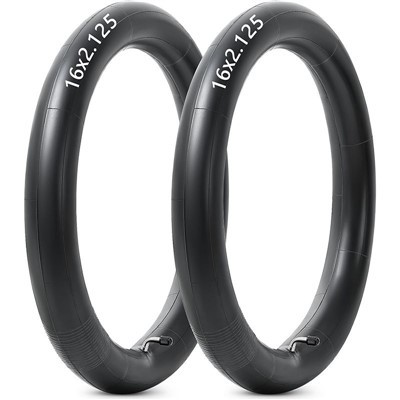
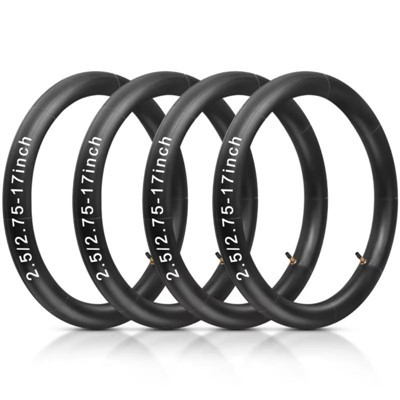
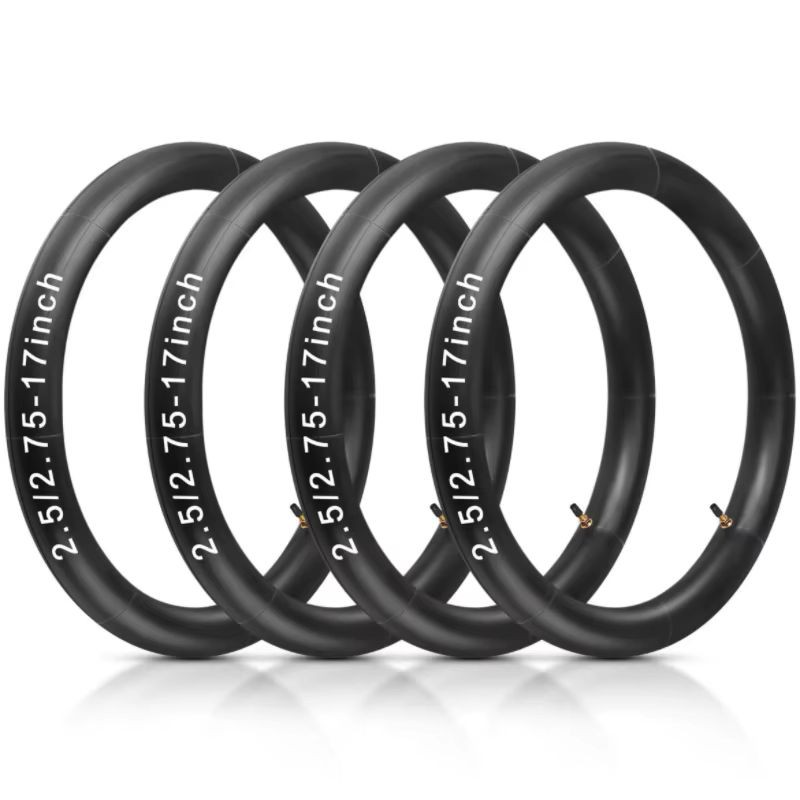
Most no flat tubes come with a specified size range. For example, a tube might be labeled as suitable for tires with widths from 1.75 inches to 2.125 inches. This range is determined by the tube's design and construction. If you try to use a tube outside of its recommended size range, it can lead to several problems.
If the tube is too small for the tire, it may not be able to fully expand and could bunch up inside the tire. This can cause uneven pressure distribution, leading to a bumpy ride and an increased risk of the tube getting pinched or punctured. On the other hand, if the tube is too large for the tire, it can be difficult to install, and there is a risk of the tube folding over itself, which can also result in a flat tire.
Tire Construction
The construction of the tire also plays a role in tube compatibility. Tires with a thicker sidewall or a different tread pattern may require a different type of tube. For instance, some mountain bike tires have a very aggressive tread and a thick sidewall to handle rough terrain. In such cases, a more robust no flat tube may be needed to ensure proper fit and performance.
Riding Conditions
The riding conditions you typically encounter also influence tube - tire compatibility. If you ride on rough, rocky terrain, you may need a tube that can withstand more abuse. A wider tire with a no flat tube designed for rough conditions can provide better protection against punctures. Conversely, if you mainly ride on smooth roads, a narrower tire with a standard no flat tube may be sufficient.
Compatibility with Different Bicycle Types
Road Bikes
Road bikes are designed for speed and efficiency. They usually have narrow tires. When it comes to no flat tubes for road bikes, it's important to choose a tube that is specifically designed for the narrow tire widths. There are many options available, such as Bicycle Butyl Inner Tube. These tubes are often lightweight and can provide good puncture resistance without adding too much weight to the bike.
Mountain Bikes
Mountain bikes require tubes that can handle the rigors of off - road riding. The wider tires on mountain bikes need tubes that can fit properly and provide adequate protection. Extra Thick Bicycle Inner Tubes are a great option for mountain bikes. They are designed to be more durable and can withstand the sharp rocks and rough terrain that mountain bikers encounter.
Hybrid Bikes
Hybrid bikes are a combination of road and mountain bikes. They typically have tire widths that fall between those of road and mountain bikes. No flat tubes for hybrid bikes should be chosen based on the specific tire width of the bike. You can find tubes that are suitable for a range of widths, making them a versatile option for hybrid bike riders.
How to Determine Compatibility
When choosing a no flat tube for your bike, the first step is to check the tire sidewall. The tire will usually have a label indicating the recommended tube size range. You should also consider the type of riding you do and the specific requirements of your bike.
If you're unsure about which tube to choose, you can consult with a professional bike mechanic. They have the experience and knowledge to help you select the right tube for your bike and riding style.
Benefits of Using No Flat Tubes with Different Tire Widths
Using no flat tubes with different tire widths offers several benefits. Firstly, it provides peace of mind for cyclists. Knowing that you're less likely to get a flat tire can make your rides more enjoyable. Secondly, it can save you time and money in the long run. You won't have to constantly repair or replace flat tubes, which can be a hassle and an expense.
Conclusion
In conclusion, no flat bicycle tubes can be compatible with different tire widths, but it's important to choose the right tube for your specific bike and riding conditions. By considering factors such as tube size range, tire construction, and riding conditions, you can ensure a proper fit and optimal performance.
If you're interested in purchasing high - quality no flat bicycle tubes for your bike, we'd love to have a conversation with you. Whether you're a professional cyclist, a casual rider, or a bike shop owner, we can provide you with the right tubes for your needs. Feel free to reach out to us to discuss your requirements and start a procurement negotiation.
References
- Bicycle industry standards and specifications
- Personal experience as a No Flat Bicycle Tubes supplier