
Do Fat Tire Bike Inner Tubes require special maintenance?
Hey there, fellow bike enthusiasts! I'm a supplier of Fat Tire Bike Inner Tubes, and I often get asked if these bad boys need any special kind of maintenance. Well, let's dive right in and find out.
First off, what are fat tire bikes? They're those cool bikes with super - wide tires, usually around 3.8 inches or wider. These tires are great for riding on soft surfaces like sand, snow, or mud. The inner tubes for these bikes are a bit different from regular ones because they have to support the wider tire and deal with different kinds of terrains.
Basic Maintenance
Just like any other bike inner tube, the basics of maintenance apply to fat tire bike inner tubes. You need to keep an eye on the tire pressure. A proper tire pressure is crucial for a smooth ride, whether you're on a fat tire bike or a regular one. For fat tire bikes, the pressure can vary depending on the surface you're riding on. On a hard surface, you might want to keep the pressure a bit higher, say around 10 - 20 psi. But if you're riding on sand or snow, you'll want to lower the pressure to maybe 5 - 10 psi. This allows the tire to spread out and give you more traction.
Checking for leaks is also a must. You can do this by inflating the tube and then submerging it in water. If you see bubbles, you've got a leak. Patch it up right away using a good quality patch kit. It's always a good idea to carry a patch kit with you when you're out riding, just in case.
Special Considerations
Now, here's where things get a bit different. Fat tire bike inner tubes are more exposed to rough terrains. The wide tires cover a larger area, which means there's a higher chance of hitting sharp objects like rocks, glass, or thorns. This can lead to punctures more easily compared to regular bikes.


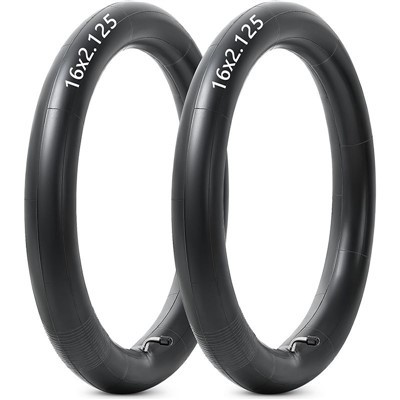
To prevent punctures, you might want to consider using Extra Thick Bicycle Inner Tubes. These tubes are designed with a thicker wall, which provides an extra layer of protection against sharp objects. They're a bit heavier, but the added peace of mind is worth it, especially if you're riding in areas with lots of debris.
Another option is No Flat Bicycle Tubes. These tubes are filled with a special foam or gel that prevents flats. They're a great choice if you don't want to deal with punctures at all. However, they can be a bit more expensive than regular tubes.
Storage
Proper storage is also important for fat tire bike inner tubes. If you're not going to be using your bike for a while, deflate the tubes slightly. This helps to prevent the rubber from getting stretched out over time. Store the tubes in a cool, dry place away from direct sunlight. Sunlight can cause the rubber to deteriorate, making the tubes more prone to leaks.
When you're putting the tubes back on the bike, make sure you do it correctly. Improper installation can lead to pinch flats, where the tube gets pinched between the tire and the rim. To avoid this, start by putting a small amount of air in the tube. Then, carefully place the tube inside the tire, making sure it's evenly distributed. Slowly inflate the tube while checking to make sure it's not getting pinched.
Valve Maintenance
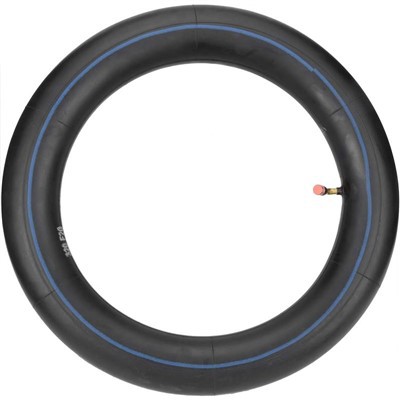
The valve on a fat tire bike inner tube is also something to pay attention to. You might want to consider using Bike Tube With Long Stem. These valves are easier to access, especially when your bike has deep - dish rims or a lot of accessories around the valve area.
Keep the valve clean and free of dirt and debris. If the valve cap is missing, replace it as soon as possible. The valve cap helps to keep air from leaking out and also prevents dirt from getting into the valve.
Lubrication
Lubricating the inside of the tire can also be beneficial. A small amount of talcum powder or a specialized tire lubricant can help the tube move smoothly inside the tire. This reduces friction and can prevent the tube from getting damaged due to rubbing against the tire.
Regular Inspections
Regularly inspect your fat tire bike inner tubes. Look for signs of wear and tear, such as cracks, bulges, or thin spots. If you notice any of these, it's time to replace the tube. Don't wait until it fails completely, as this can lead to a dangerous situation while you're riding.
When to Replace
Even with proper maintenance, fat tire bike inner tubes won't last forever. On average, you can expect a tube to last anywhere from 6 months to a couple of years, depending on how often you ride and the conditions you ride in. If you're a frequent rider or you ride in rough terrains, you might need to replace the tubes more often.
Conclusion
So, do fat tire bike inner tubes require special maintenance? Well, they do have some unique considerations compared to regular bike inner tubes. But with a little bit of extra care and attention, you can keep your fat tire bike inner tubes in great shape for a long time.
If you're in the market for high - quality fat tire bike inner tubes, I'm here to help. Whether you need extra thick tubes, no - flat tubes, or tubes with long stems, I've got you covered. Reach out to me for more information and let's start a conversation about your biking needs.
References
- "Bicycle Maintenance Handbook" by Tom Cuthbertson
- Various online forums and blogs dedicated to fat tire biking