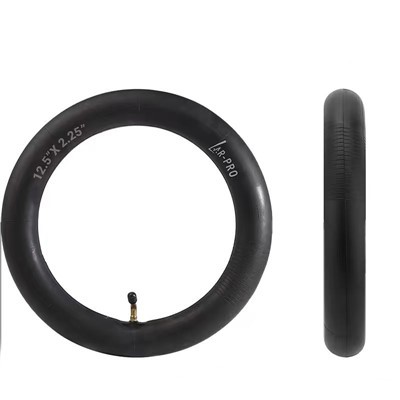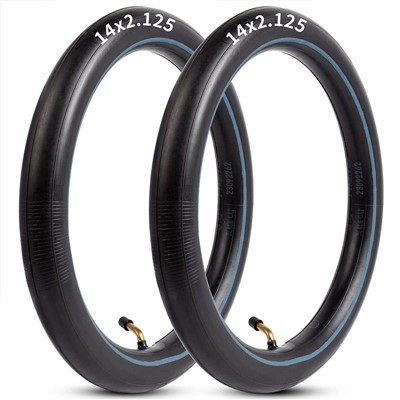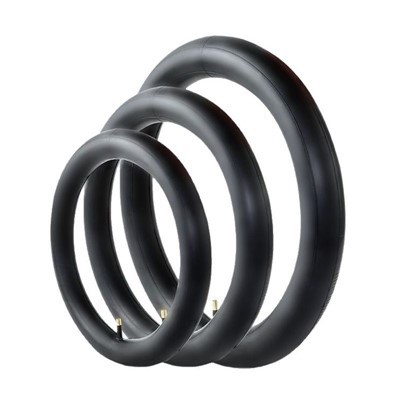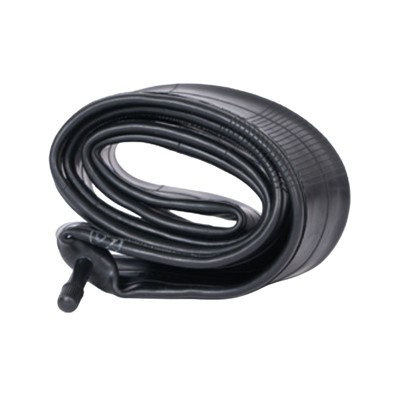

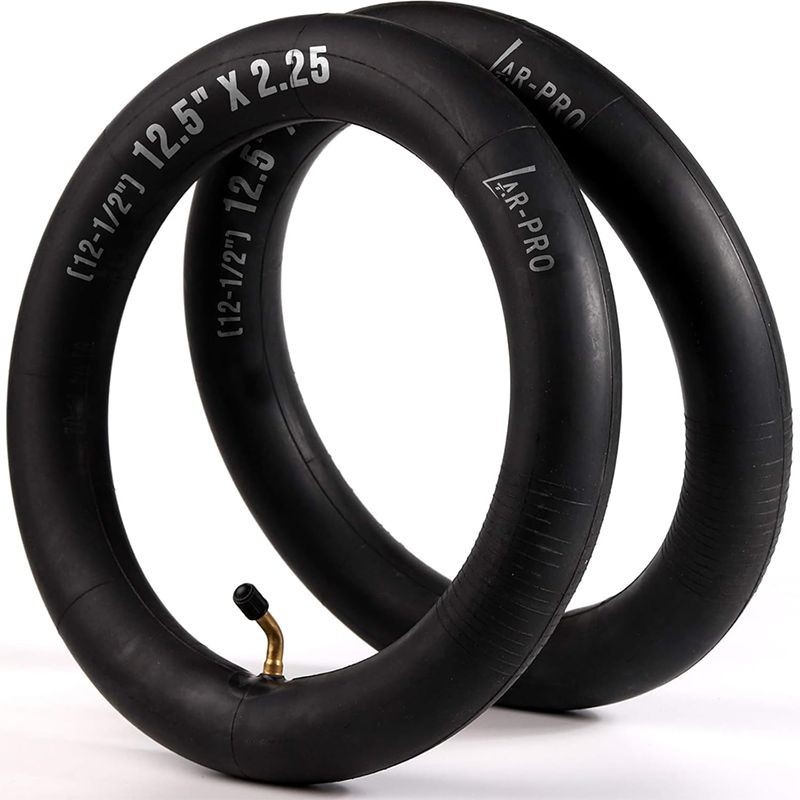
As a supplier of Scooter Innertubes, I understand the importance of proper storage for these essential components. When not in use, scooter innertubes need to be stored correctly to maintain their quality and extend their lifespan. In this blog, I'll share some effective ways to store scooter innertubes, ensuring they're in top - notch condition when it's time to use them again.
Why Proper Storage Matters
Scooter innertubes are made of rubber, which can be affected by various environmental factors. Exposure to extreme temperatures, sunlight, and chemicals can cause the rubber to deteriorate, leading to cracks, leaks, and a shorter lifespan. By storing your scooter innertubes properly, you can prevent these issues and save money in the long run.
Ideal Storage Conditions
Temperature
The ideal temperature for storing scooter innertubes is between 50°F (10°C) and 77°F (25°C). Extreme cold can make the rubber brittle, while extreme heat can cause it to become soft and lose its shape. Avoid storing innertubes in areas that are prone to temperature fluctuations, such as attics or garages that aren't climate - controlled.
Humidity
High humidity can lead to mold and mildew growth on the innertubes. It's best to store them in a dry environment with a relative humidity of around 40% - 60%. If you live in a humid area, consider using a dehumidifier in the storage space.
Sunlight
Sunlight contains ultraviolet (UV) rays that can damage the rubber of the innertubes. Store them in a dark place, away from direct sunlight. A closet or a storage cabinet is a great option.
Cleaning the Innertubes Before Storage
Before storing your scooter innertubes, it's crucial to clean them thoroughly. Dirt, grime, and debris can cause abrasions and accelerate the deterioration of the rubber. Here's how to clean them:
- Remove the innertubes from the scooter: Carefully take out the innertubes from the wheels.
- Rinse with water: Use a gentle stream of water to wash away any loose dirt and debris.
- Use mild soap: Apply a small amount of mild soap to a soft cloth and gently wipe the innertubes. Avoid using harsh chemicals or abrasive cleaners, as they can damage the rubber.
- Rinse again: Make sure to rinse off all the soap to prevent any residue from remaining on the innertubes.
- Dry completely: Use a clean, dry cloth to pat the innertubes dry. Allow them to air - dry completely before storing them.
Storage Methods
Hanging
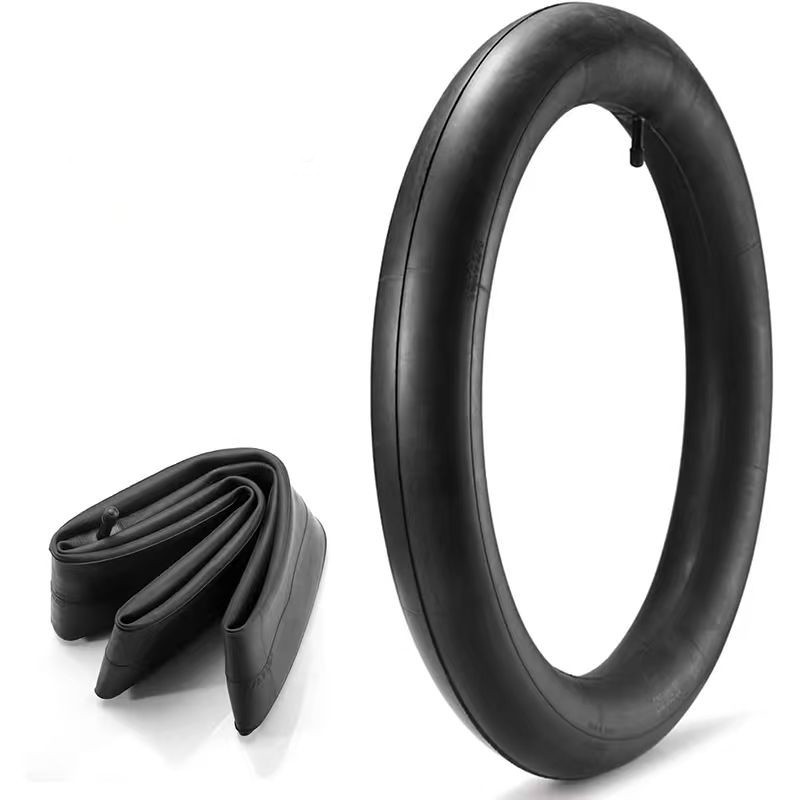
One of the simplest ways to store scooter innertubes is by hanging them. You can use a pegboard or a hook to hang the innertubes. This method helps to prevent the innertubes from developing flat spots and allows air to circulate around them. Make sure to hang them in a way that they're not twisted or bent.
Rolling
Another option is to roll the innertubes. Start by folding the innertube in half, then roll it tightly. You can use a rubber band to keep the roll in place. Rolling the innertubes helps to save space and keeps them organized. However, make sure not to roll them too tightly, as this can cause the rubber to deform.
Using Storage Containers
If you have multiple innertubes or want to protect them from dust and debris, you can use storage containers. Plastic bins or cardboard boxes are suitable for this purpose. Make sure the containers are clean and dry before placing the innertubes inside. You can also add a desiccant packet to absorb any moisture.
Avoiding Contact with Other Materials
When storing scooter innertubes, it's important to avoid contact with certain materials that can damage the rubber. For example, keep them away from sharp objects, as they can puncture the innertubes. Also, avoid storing them in contact with solvents, oils, or other chemicals, as these can cause the rubber to swell or deteriorate.
Regular Inspections
Even when stored properly, it's a good idea to inspect your scooter innertubes regularly. Check for any signs of damage, such as cracks, leaks, or mold. If you notice any issues, address them immediately. This can help to prevent further damage and ensure that the innertubes are ready to use when needed.
Conclusion
Proper storage of scooter innertubes is essential for maintaining their quality and extending their lifespan. By following the tips mentioned above, you can ensure that your innertubes are in good condition when you need them. As a [Your Company's Role] in the industry, we offer a wide range of Scooter Innertubes, Electric Inner Tube, and Electric Bike Inner Tube. If you're interested in purchasing high - quality innertubes or have any questions about storage or usage, we're here to assist you. Feel free to reach out to us for more information and to discuss your procurement needs.
References
- "Rubber Product Storage Guidelines", Rubber Manufacturers Association
- "Best Practices for Storing Bicycle Components", Bicycle Industry Journal