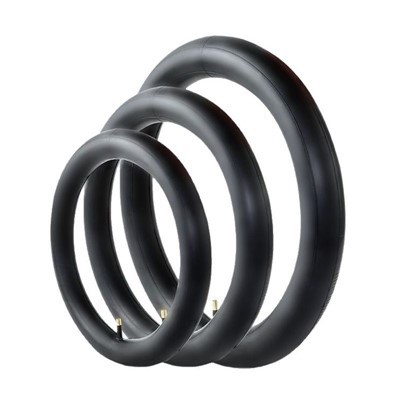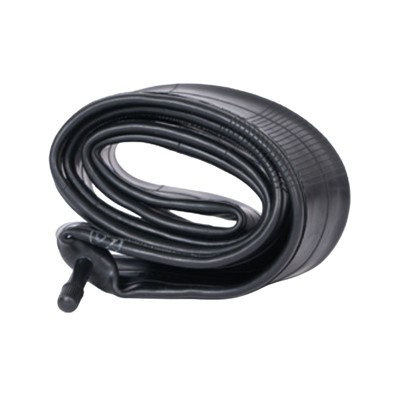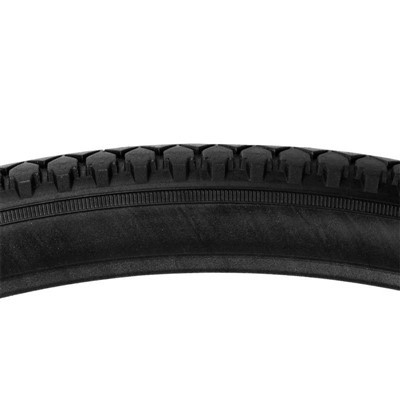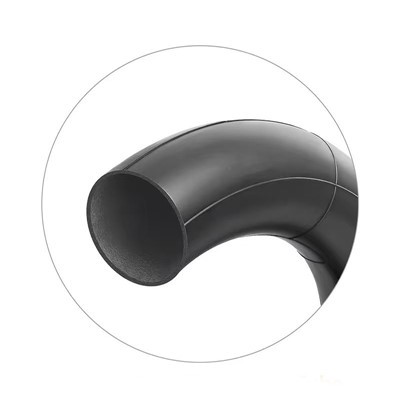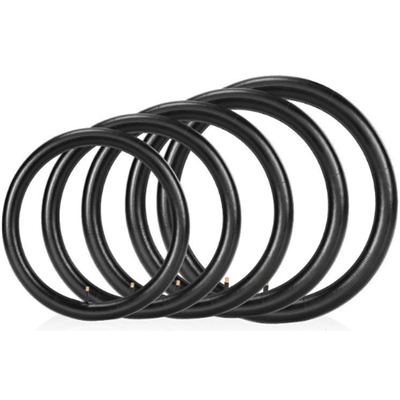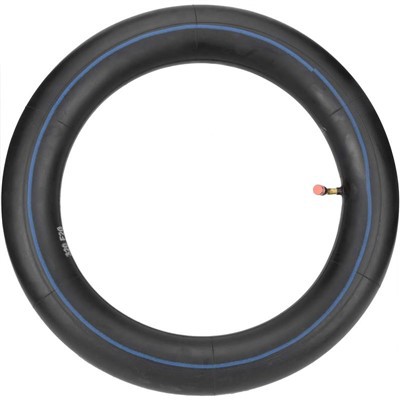

Hey there, fellow cycling enthusiasts! As a supplier of bicycle inner tubes, I've seen my fair share of tubes in various states. Today, I'm gonna share with you how to figure out if a bicycle inner tube needs to be replaced.
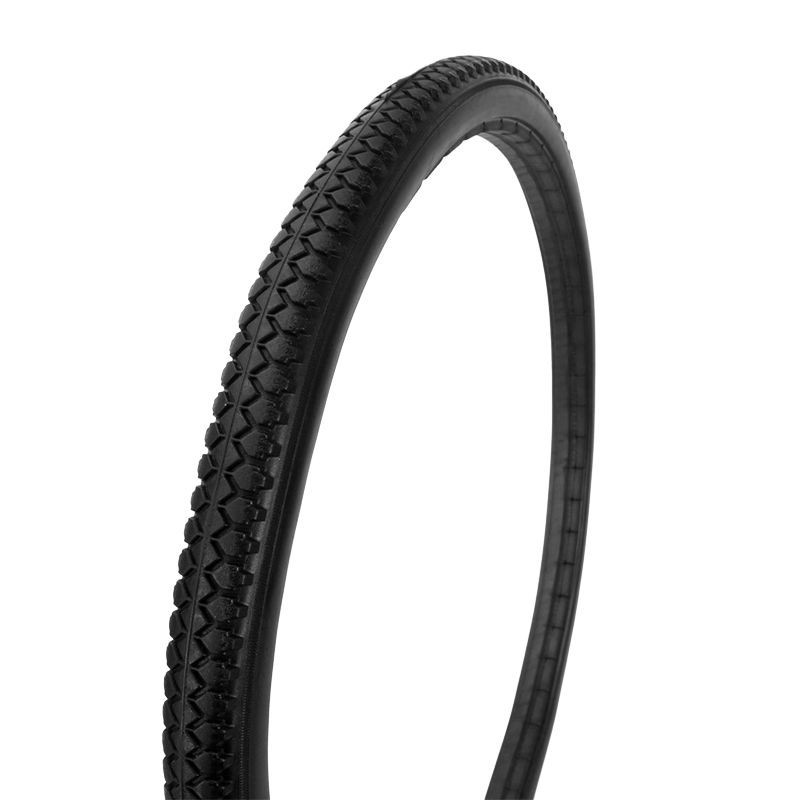
1. Visual Inspection
The first thing you can do is a good old - fashioned visual check. Start by taking the wheel off the bike. It might seem like a hassle, but it gives you a better look at the tube.
Cracks and Tears
Look closely at the surface of the inner tube. If you see any cracks or tears, that's a clear sign it's time for a replacement. Cracks can start small, but they'll only get worse over time. Even a tiny crack can lead to a slow leak, and eventually, a flat tire. For example, if you notice a crack near the valve stem, it's likely that air is slowly escaping. These cracks can be caused by a variety of things, like exposure to sunlight, extreme temperatures, or sharp objects inside the tire.
Bulges
Another thing to watch out for is bulges. A bulge on the inner tube means that the rubber has weakened in that area. This could be due to over - inflation, which puts too much pressure on the tube, or damage from a sharp object. If you see a bulge, it's a ticking time bomb. The tube could burst at any moment, leaving you stranded on the road.
Wear and Tear
Over time, the inner tube will naturally wear out. Check for areas where the rubber looks thin or has lost its elasticity. This is especially common in high - stress areas, like where the tube rubs against the tire or the rim. If the rubber is starting to look frayed or worn, it's a good indication that the tube is reaching the end of its life.
2. Air Retention Test
One of the most reliable ways to tell if a tube needs replacing is to test its air retention.
Inflate the Tube
First, inflate the tube to the recommended pressure. You can find this information on the side of the tube or in the bike's manual. Use a good quality pump to make sure you get an accurate inflation.
Check for Leaks
Once the tube is inflated, submerge it in a bucket of water. Look for bubbles. If you see bubbles, that means there's a leak. Start by checking around the valve stem, as this is a common area for leaks. If you don't find any bubbles right away, give the tube a gentle squeeze. Sometimes, the leak is small and might not show up immediately.
Monitor the Pressure
If you don't have a bucket of water handy, you can also monitor the pressure over time. Use a tire pressure gauge to check the pressure right after inflating the tube. Then, check it again after a few hours or overnight. If the pressure has dropped significantly, it's a sign that the tube has a leak and needs to be replaced.
3. Age of the Tube
Just like anything else, bicycle inner tubes have a lifespan. Even if you don't see any visible signs of damage or leaks, an old tube can still be a problem.
Rubber Degradation
Rubber naturally degrades over time. Exposure to oxygen, sunlight, and heat can cause the rubber to become brittle and lose its elasticity. If your tube is more than a few years old, it's a good idea to consider replacing it, even if it seems to be in good condition.
Manufacturer's Recommendations
Some manufacturers will provide guidelines on how long their inner tubes should last. Check the packaging or the manufacturer's website for this information. If your tube is approaching or has exceeded the recommended lifespan, it's probably time for a new one.
4. Frequency of Flats
If you're getting flats more often than usual, it could be a sign that your inner tube needs to be replaced.
Multiple Repairs
If you've had to patch your tube multiple times, it's a good indication that it's on its last legs. Each patch weakens the tube a little bit, and eventually, it won't be able to hold air properly.
Consistent Leaks
If you keep getting flats in the same area of the tube, it could be a sign of a more serious problem. There might be something inside the tire, like a piece of glass or a thorn, that's constantly puncturing the tube. In this case, replacing the tube might be the best solution.
Our Products
At our company, we offer a wide range of high - quality bicycle inner tubes. If you're looking for a reliable tube that can withstand the test of time, check out our No More Flats Bike Tubes. These tubes are designed to resist punctures and leaks, giving you a worry - free cycling experience.
We also have Airless Bicycle Inner Tubes. These innovative tubes eliminate the need for air, so you'll never have to worry about flats again. And if you're looking for a traditional tube with added protection, our No Flat Bicycle Tubes are a great option.
Contact Us for Procurement
If you're interested in purchasing our bicycle inner tubes for your business or personal use, we'd love to hear from you. Whether you're a bike shop owner looking to stock up on inventory or an individual cyclist in need of a new tube, we can provide you with the best products at competitive prices. Just reach out to us, and we'll be happy to discuss your requirements and provide you with a quote.
References
- Bicycle Mechanics Handbook
- Cycling Magazine Articles on Inner Tube Maintenance
So, there you have it, folks! By following these tips, you'll be able to tell when it's time to replace your bicycle inner tube. And if you're in the market for a new tube, don't forget to check out our great selection. Happy cycling!