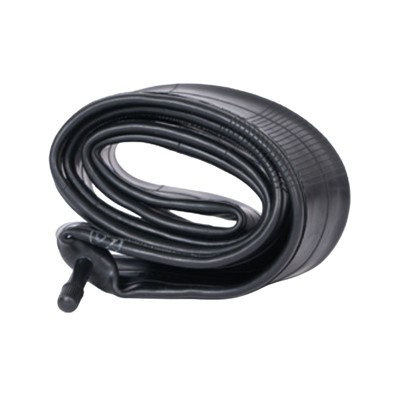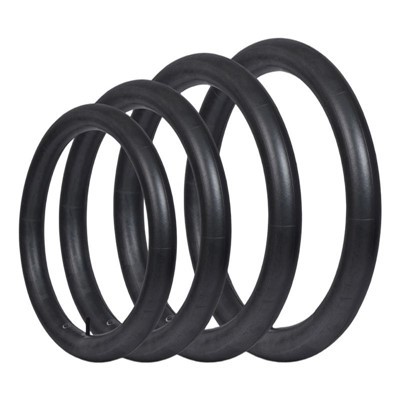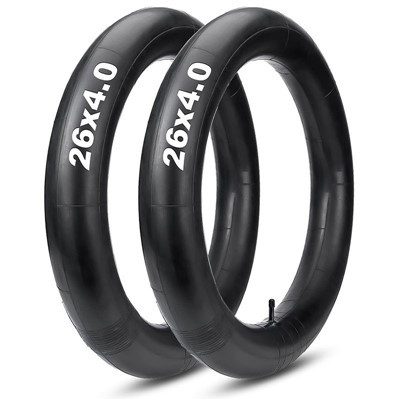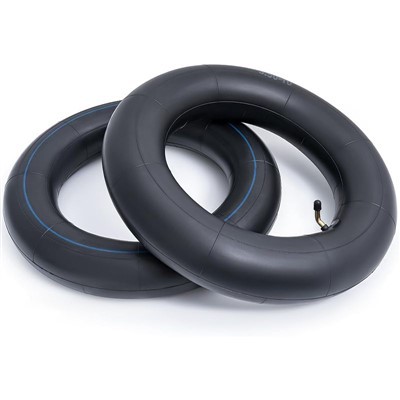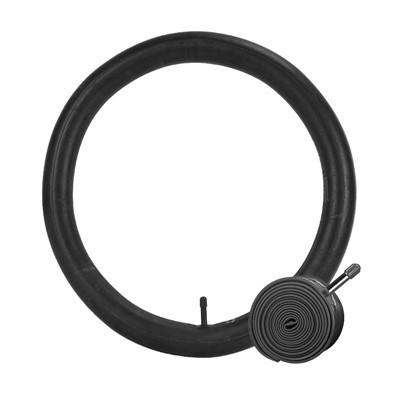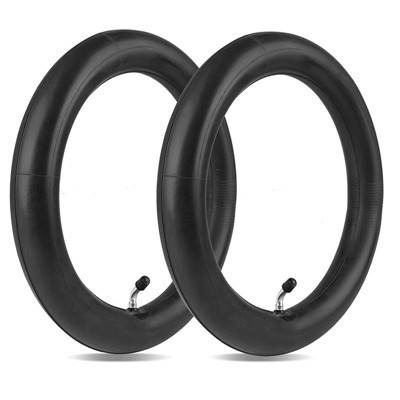

Hey there, fellow cyclists! As a supplier of high - quality bicycle inner tubes, I've seen all sorts of situations on the road. One common problem that many cyclists face is getting a flat tire without a pump at hand. It can be a real bummer, especially when you're out in the middle of nowhere. But don't worry, I'm here to share some practical ways to inflate a bicycle inner tube without a pump.
Using a CO2 Cartridge
One of the quickest and most convenient methods is using a CO2 cartridge. These small cartridges are filled with compressed carbon dioxide. They're super handy because they're lightweight and easy to carry in your bike bag.
To use a CO2 cartridge, you'll first need a CO2 inflator. These are specifically designed to attach to the cartridge and the valve of your inner tube. Once you've got the inflator, follow these steps:
- Remove the flat inner tube from the tire. Make sure you've patched any holes if there are any.
- Attach the inflator to the valve of the inner tube.
- Take the CO2 cartridge and screw it into the inflator. You'll hear a hissing sound as the CO2 starts to fill the tube.
- Keep an eye on the tube as it inflates. You don't want to over - inflate it. Once it's at the right pressure, unscrew the cartridge from the inflator.
The great thing about CO2 cartridges is that they work fast. You can have your tire inflated and be back on the road in no time. But there's a downside too. CO2 cartridges are single - use, so you'll need to carry a few with you if you're going on a long ride. And they can be a bit expensive in the long run.
Using a Compressed Air Canister
Another option is to use a compressed air canister. These are often used for cleaning electronics, but they can also be used to inflate a bicycle inner tube.
First, you'll need to find a way to connect the canister to the valve of the inner tube. You might need to use an adapter or some creative DIY solution. Once you've got the connection set up, follow these steps:
- Hold the canister upright. This is important because if you hold it upside down, you might get some liquid coming out instead of just air.
- Press the trigger on the canister to release the air into the tube. Be careful not to over - inflate the tube.
- Monitor the inflation process closely. You can use your hands to feel the pressure in the tube.
The advantage of using a compressed air canister is that it can be reused. But it's not as powerful as a CO2 cartridge, so it might take a bit longer to inflate the tube. And you need to make sure you have a proper connection to the valve, otherwise, the air will just leak out.
The Mouth - Blowing Method
If you don't have a CO2 cartridge or a compressed air canister, you can always resort to the old - fashioned mouth - blowing method. It's not the most efficient way, but it can work in a pinch.
- Remove the flat inner tube from the tire and patch any holes.
- Attach the valve cap to the valve to create a better seal.
- Put your mouth over the valve and start blowing. It takes a lot of breaths, but you'll gradually see the tube start to inflate.
- Keep blowing until the tube is at a usable pressure. You can test the pressure by squeezing the tube gently.
The mouth - blowing method is free and doesn't require any special equipment. But it's very tiring, and it's hard to get the tube fully inflated. It's really more of a last - resort option.
Our Inner Tube Offerings
As a bicycle inner tube supplier, we offer a wide range of products to meet your needs. Check out our Lightweight Mtb Tubes. These tubes are perfect for mountain biking. They're lightweight, which means less drag and more speed on the trails.
If you're looking for a more traditional option, our Bicycle Butyl Inner Tube is a great choice. Butyl tubes are known for their durability and air - retention properties. They'll keep your tires inflated for longer periods.
And for road cyclists, our Latex Road Bike Tubes are a must - have. Latex tubes offer a smoother ride and better shock absorption. They're also lighter than butyl tubes, which can give you an edge in races.
Conclusion
Getting a flat tire without a pump can be a hassle, but there are several ways to inflate your bicycle inner tube without one. Whether it's using a CO2 cartridge, a compressed air canister, or the good old mouth - blowing method, you can get back on the road. And if you're in the market for high - quality inner tubes, we've got you covered.
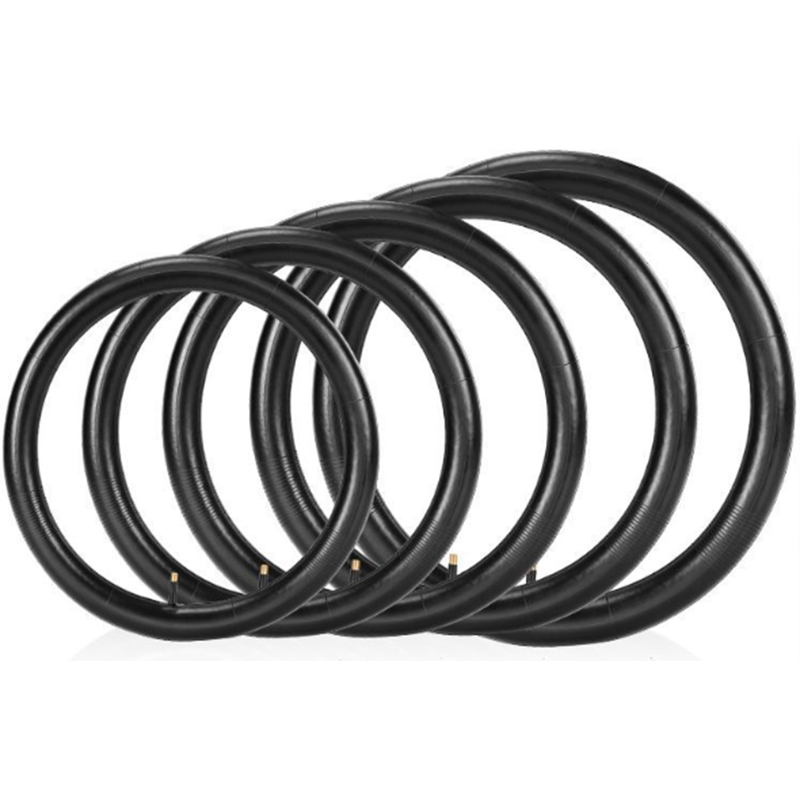
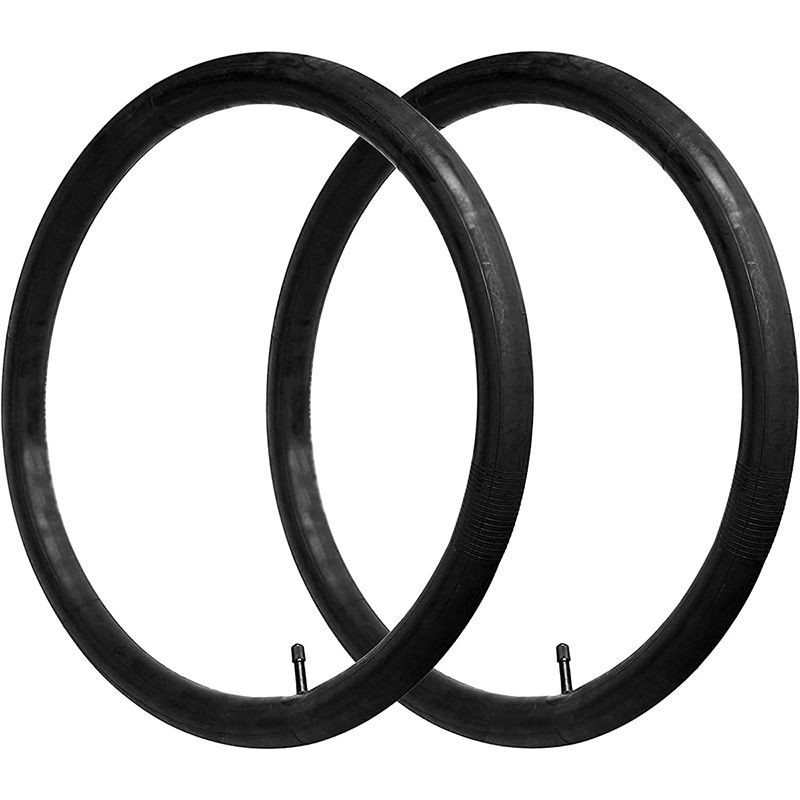
If you're interested in our products or have any questions, feel free to reach out for a procurement discussion. We're always happy to help you find the right inner tubes for your bike.
References
- "Bicycle Maintenance Handbook" by John Allen
- "The Complete Guide to Cycling" by Joe Friel