You can determine the material of a bicycle inner tube by observing its appearance, feel, label information, and smell, combined with the different material characteristics. Here are the specific methods:
1. Check the Product Label or Packaging
The most accurate way is to check the material description printed on the inner tube packaging or near the valve stem. Legitimate products will usually be labeled with "Butyl Rubber," "TPU," or "Latex." If there is no label, refer to the following physical characteristics.
2. Observe the Color and Transparency
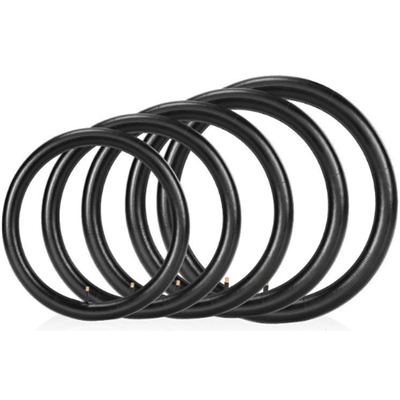
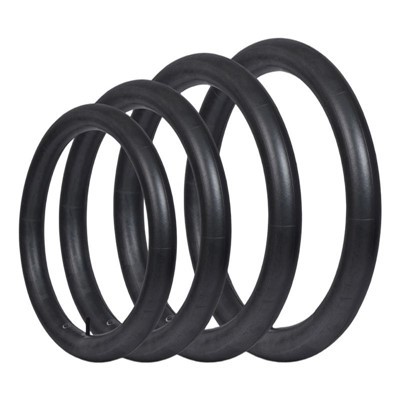
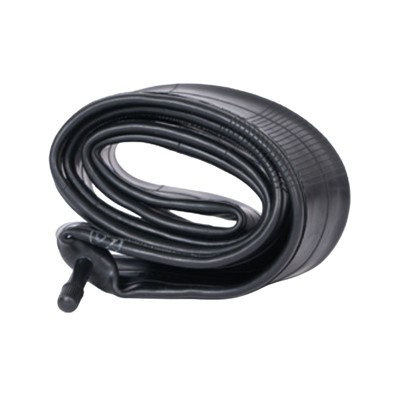
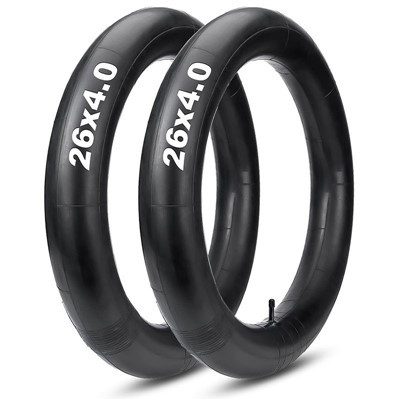
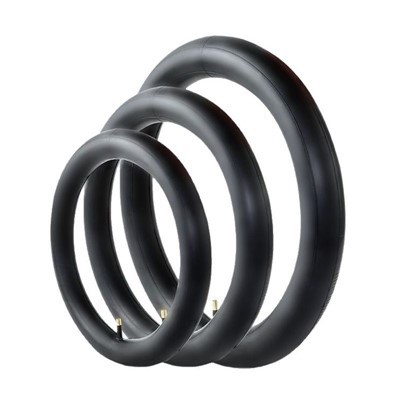
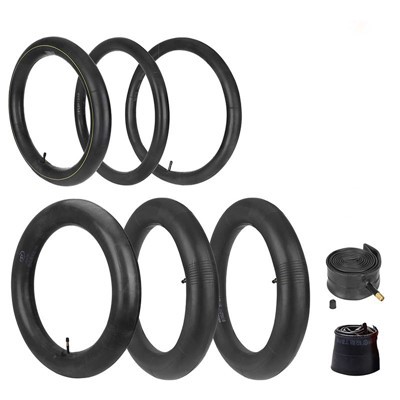
Butyl Rubber Inner Tubes: Black and opaque, with a smooth and delicate surface; this is the most common type on the market.
Latex Inner Tubes: Mostly light beige or pale yellow, semi-transparent, with a soft and elastic texture.
TPU Inner Tubes: Usually semi-transparent or colored (such as blue or red), with a novel appearance, and folds to a small size, like a biscuit.
3. Touch and Stretch Test
Butyl Rubber: Moderate elasticity, thick feel, stable rebound after stretching, and not easily torn.
Latex Inner Tube: Extremely elastic, can be stretched significantly, soft to the touch like skin, but relatively delicate and easily broken.
TPU Inner Tube: Relatively hard but thin, no obvious wrinkles when folded, quick rebound, and has a plastic feel.
4. Smell Test
Bring the inner tube close to your nose and smell it:
Butyl Rubber: No obvious pungent odor, faint smell.
Ordinary Rubber or Inferior Inner Tube: Has a distinctly pungent rubber smell.
Latex/TPU: Slight odor, some TPU has a slight plastic smell.