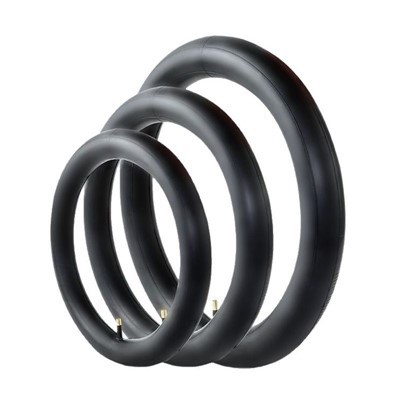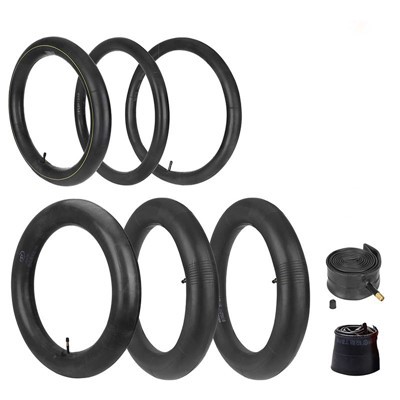
The most reliable method to determine if a bicycle inner tube is leaking is to combine underwater bubble detection with a systematic inspection. This can effectively detect tiny leaks that are difficult to see with the naked eye.
1. Underwater Test (Most Effective): Immerse the inflated inner tube in sections of water and observe whether continuous bubbles emerge. Even a pinhole-sized leak will produce noticeable bubbles, making this method particularly suitable for detecting slow leaks.
Key areas to check: Valve base, puncture site on the tread, repair edges, and sidewall creases.
Tip: Soapy water can be used as an alternative, as it reacts more sensitively to bubbles.
2. Pressure Holding Test: After fully inflating the inner tube, let it sit for several hours or overnight and observe whether the tire pressure drops significantly. If it softens within a short time, it indicates a leak.
3. Auditory and Tactile Assistance: In a quiet environment, rotate the inner tube close to it and listen for a hissing sound; place your palm near the suspected area and feel for a faint airflow.
4. Preliminary Visual Inspection: Check for any sharp objects remaining (such as nails or glass); check if the valve core is loose or damaged; observe the tire body for signs of aging, cracks, bulges, or deformation.